
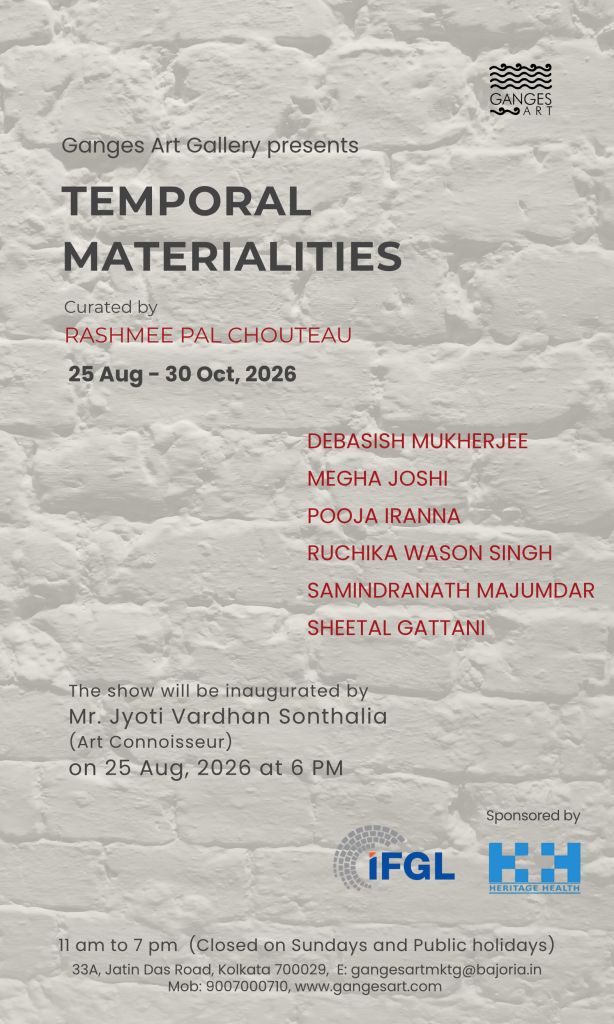
Can material hold time?
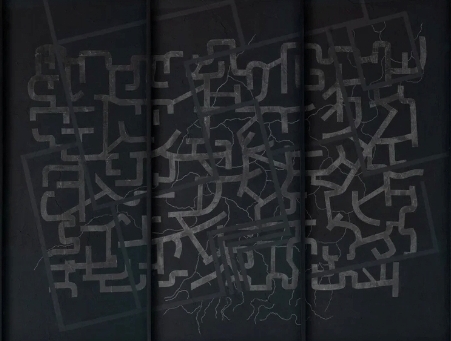
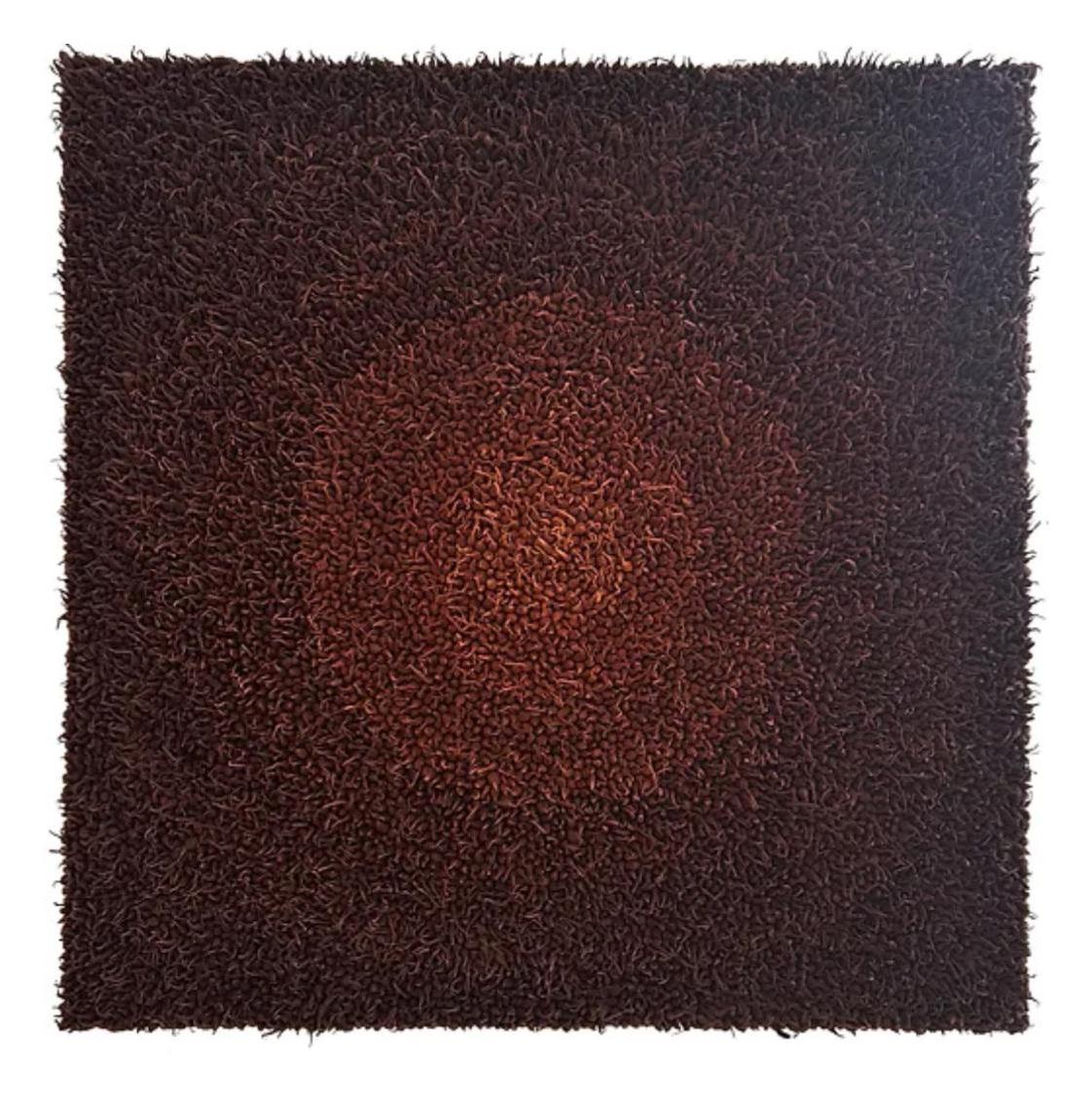
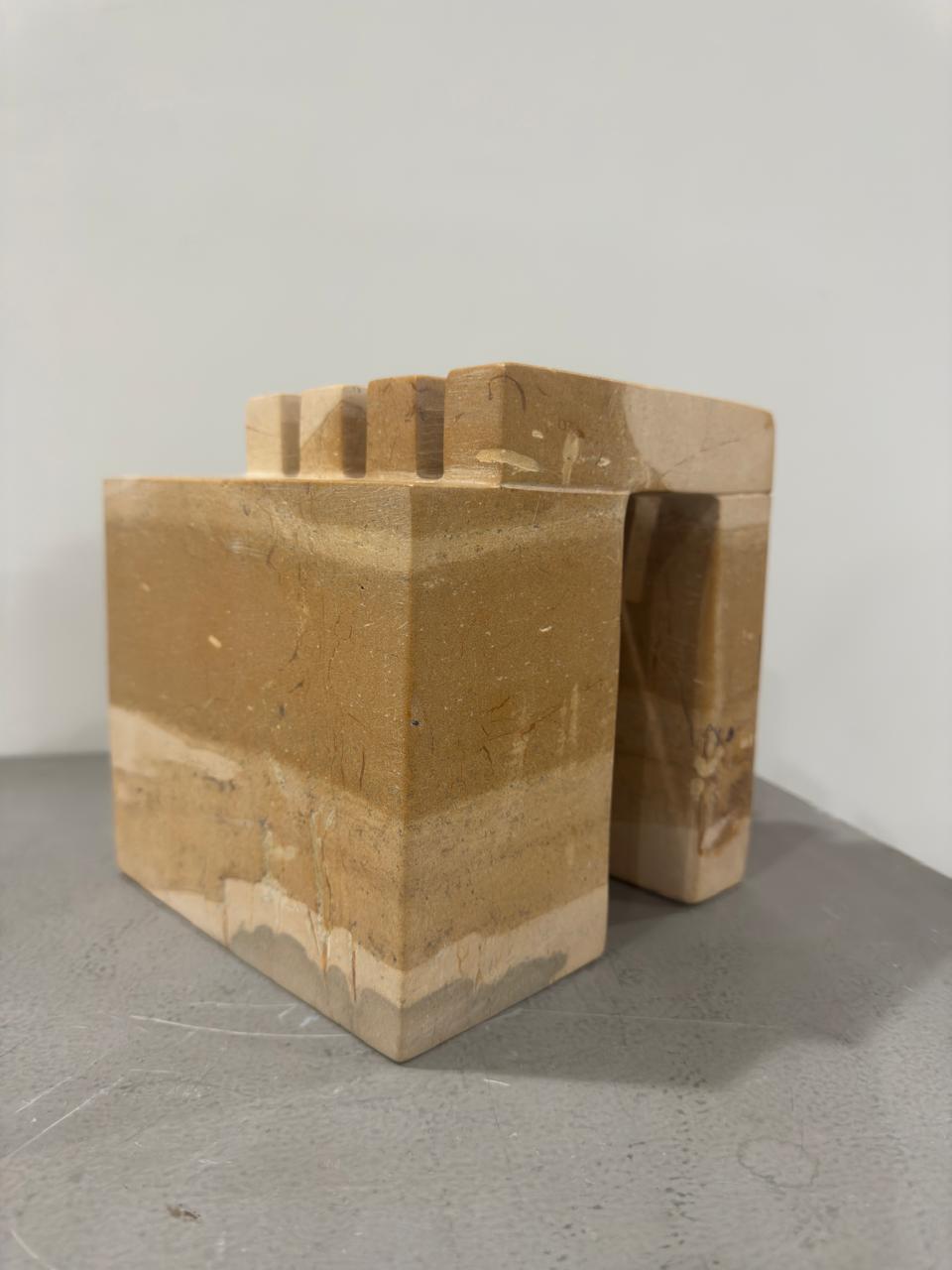
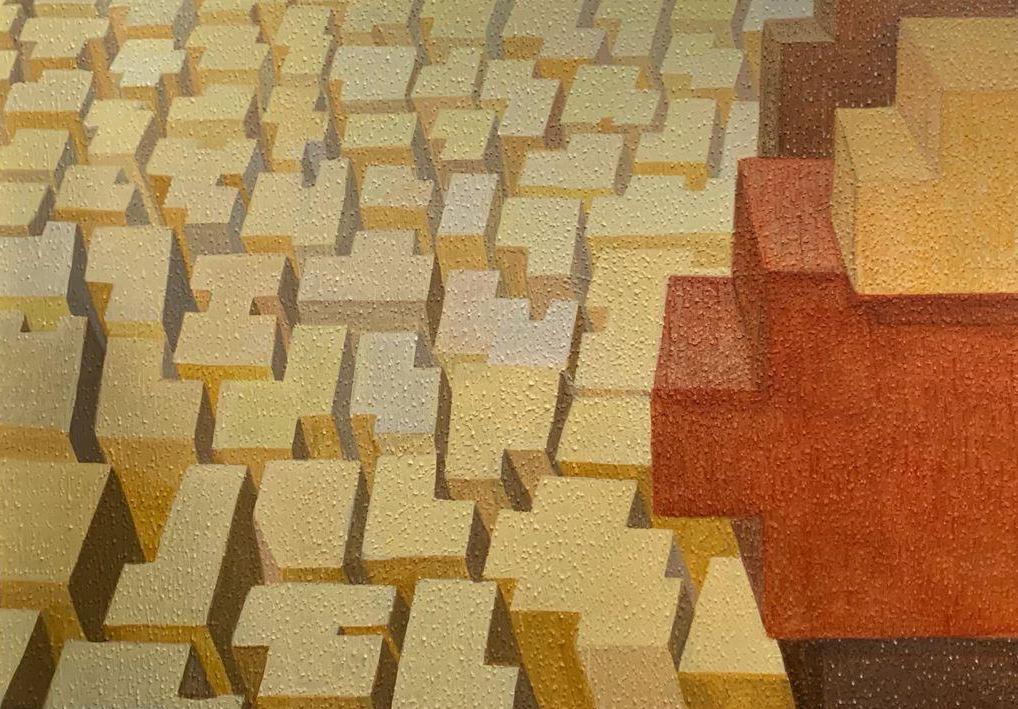
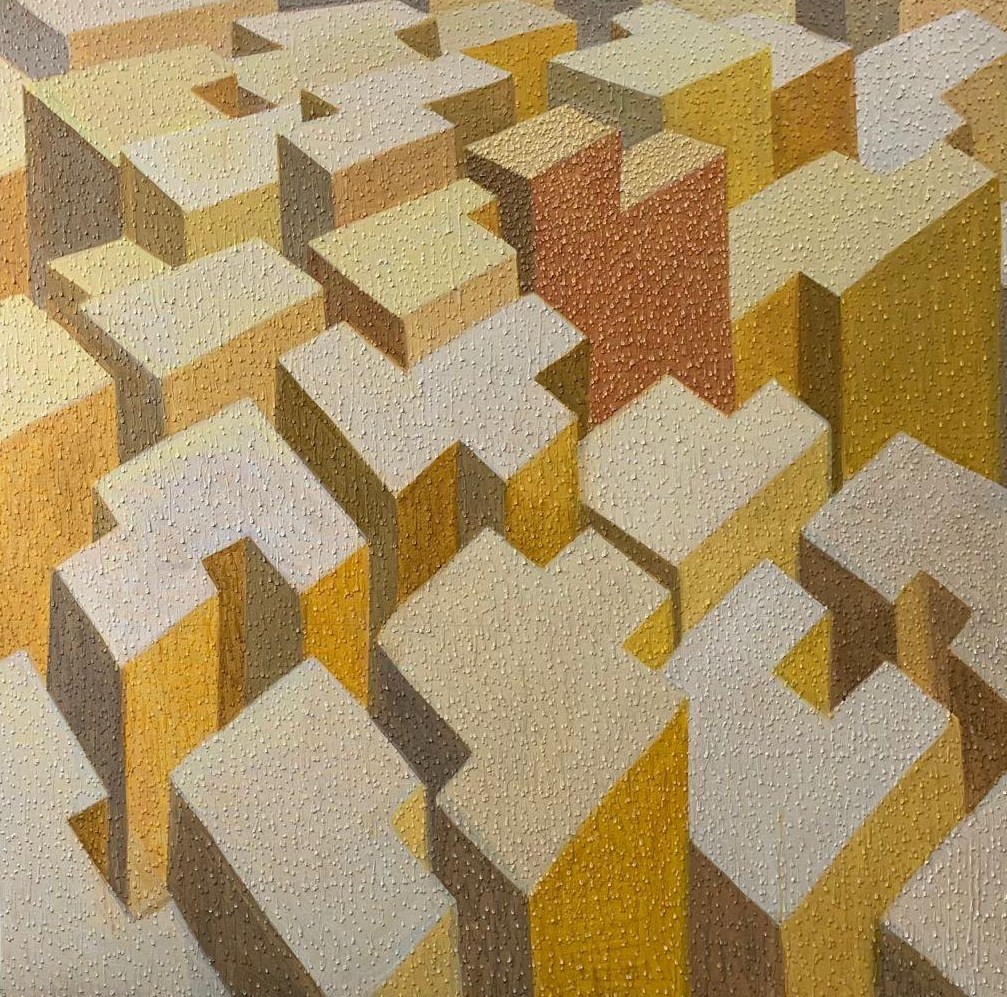
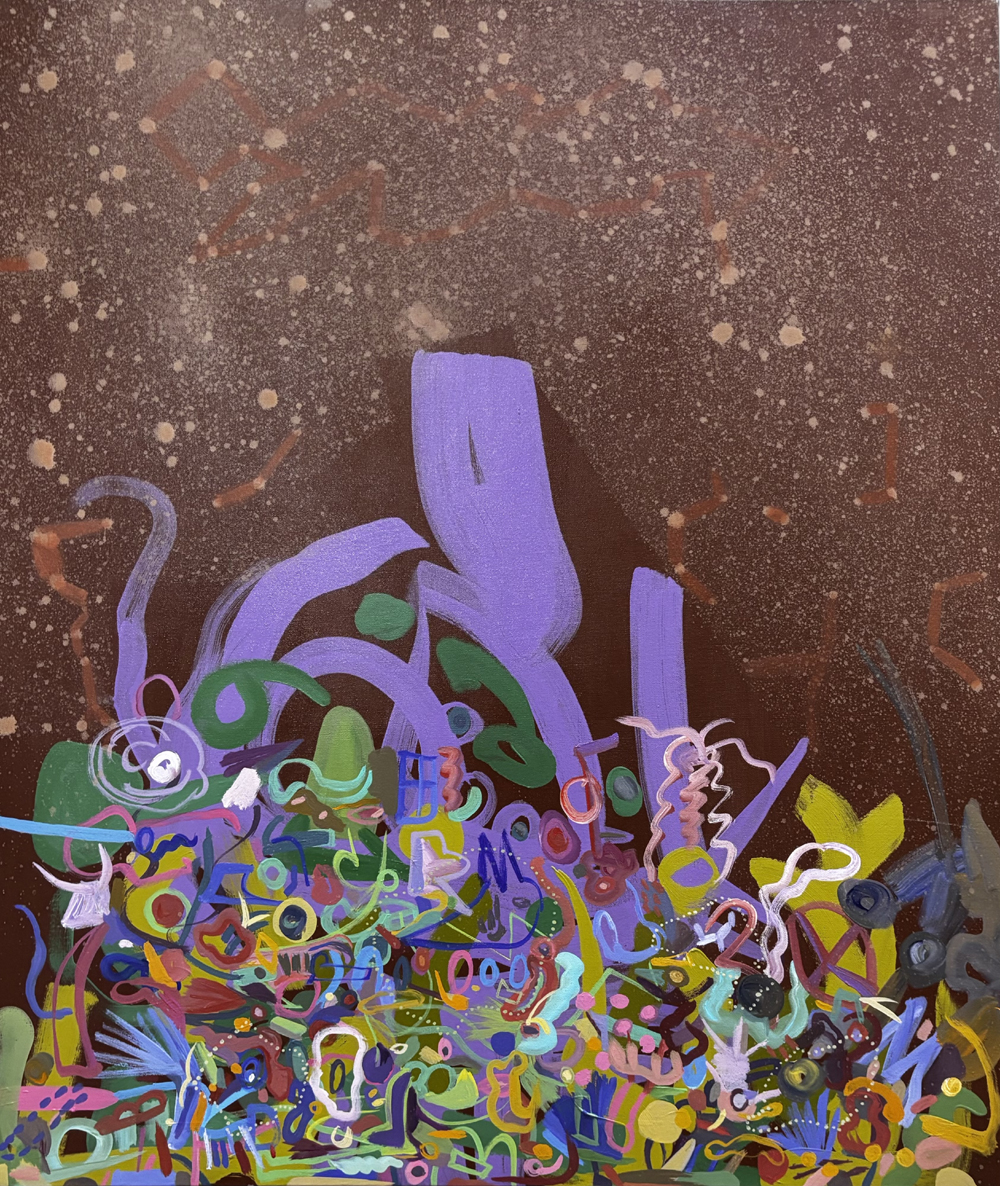
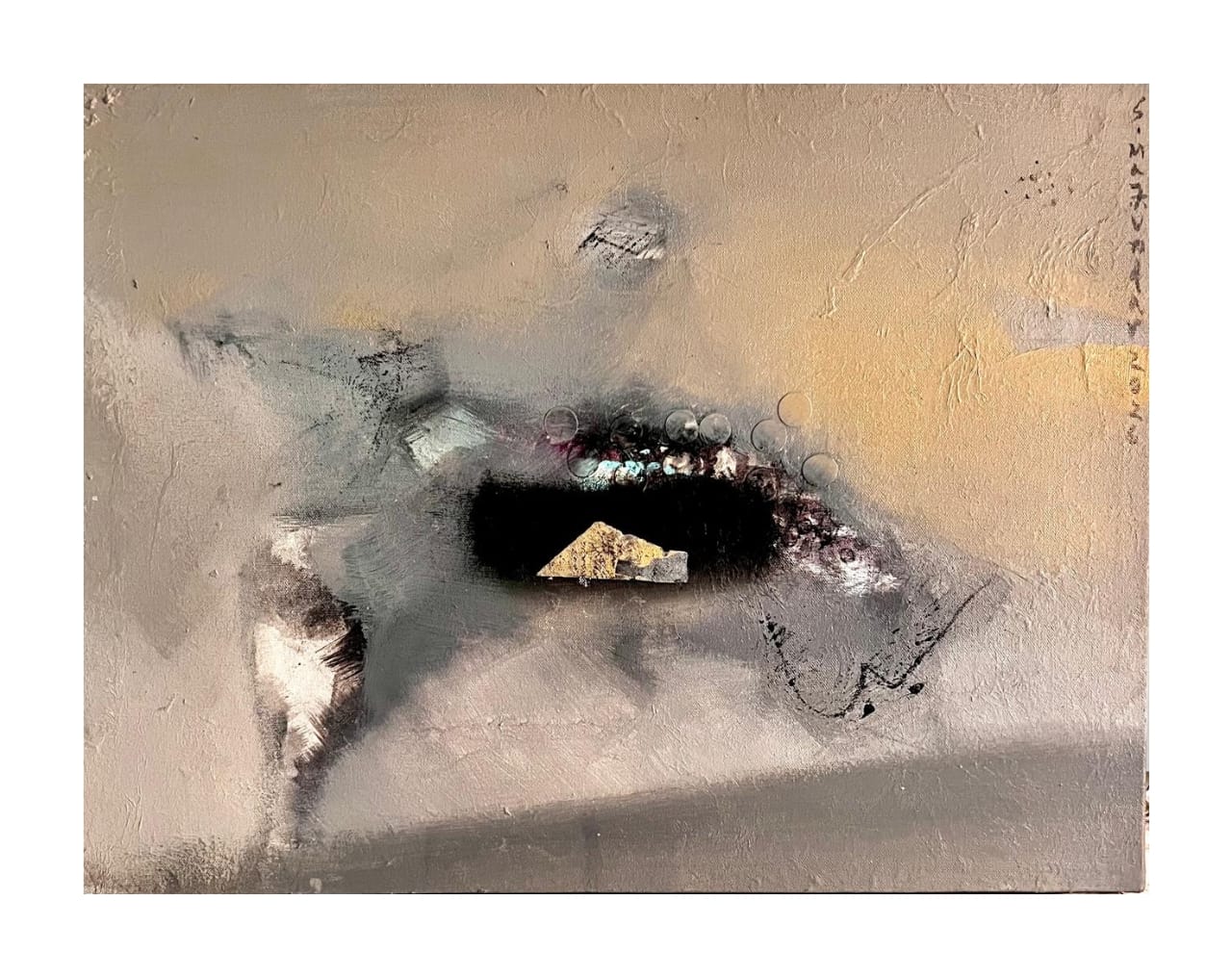
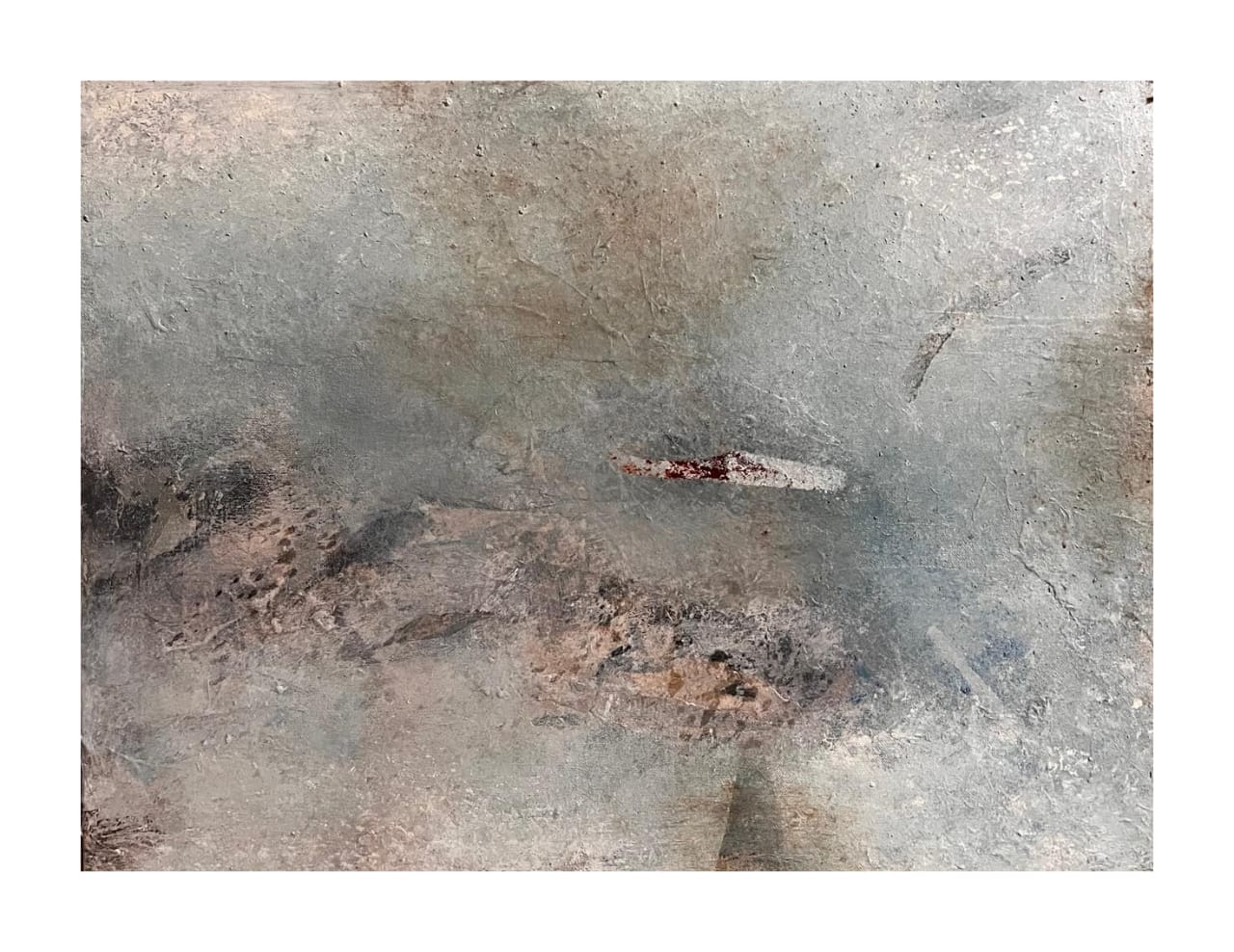
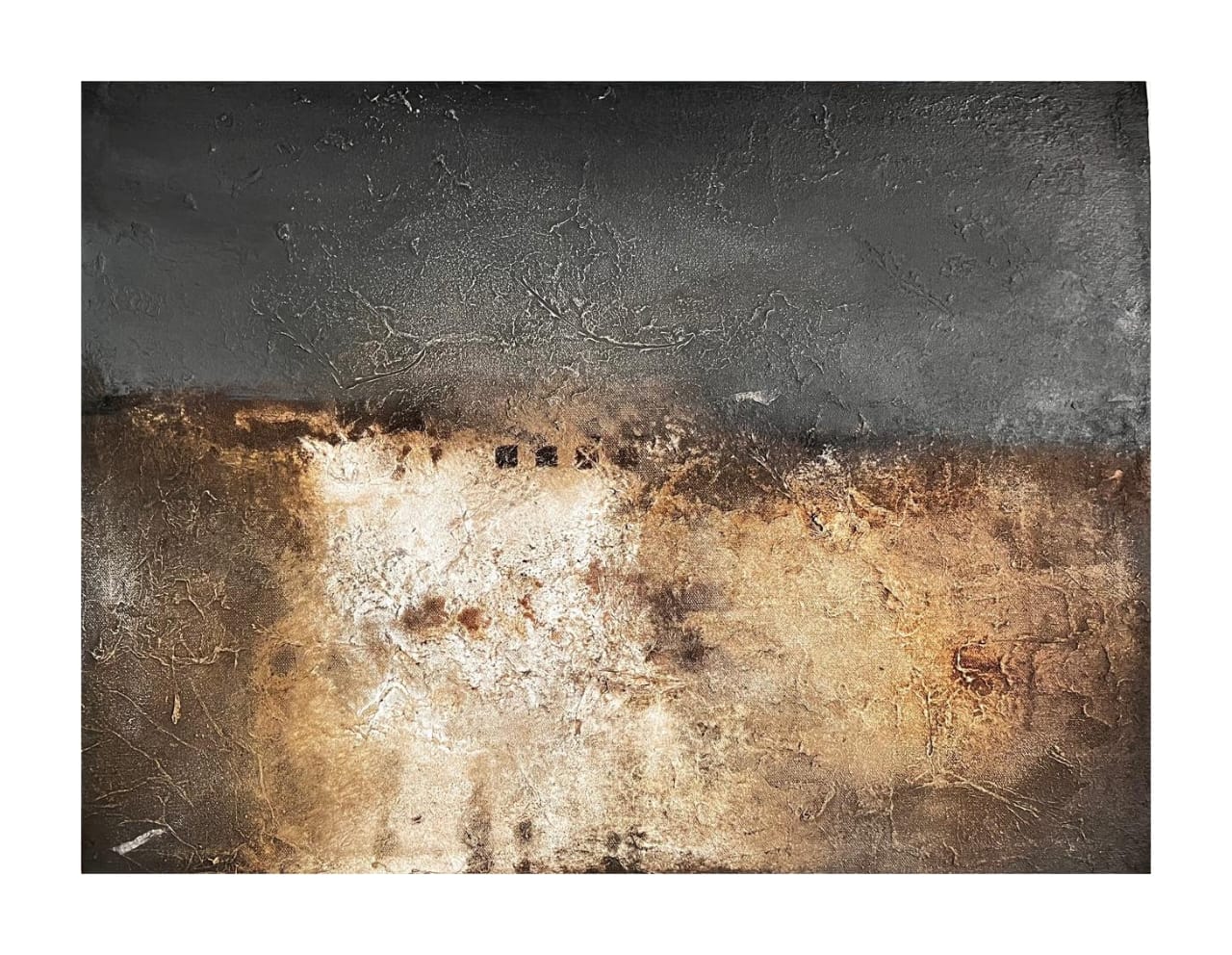
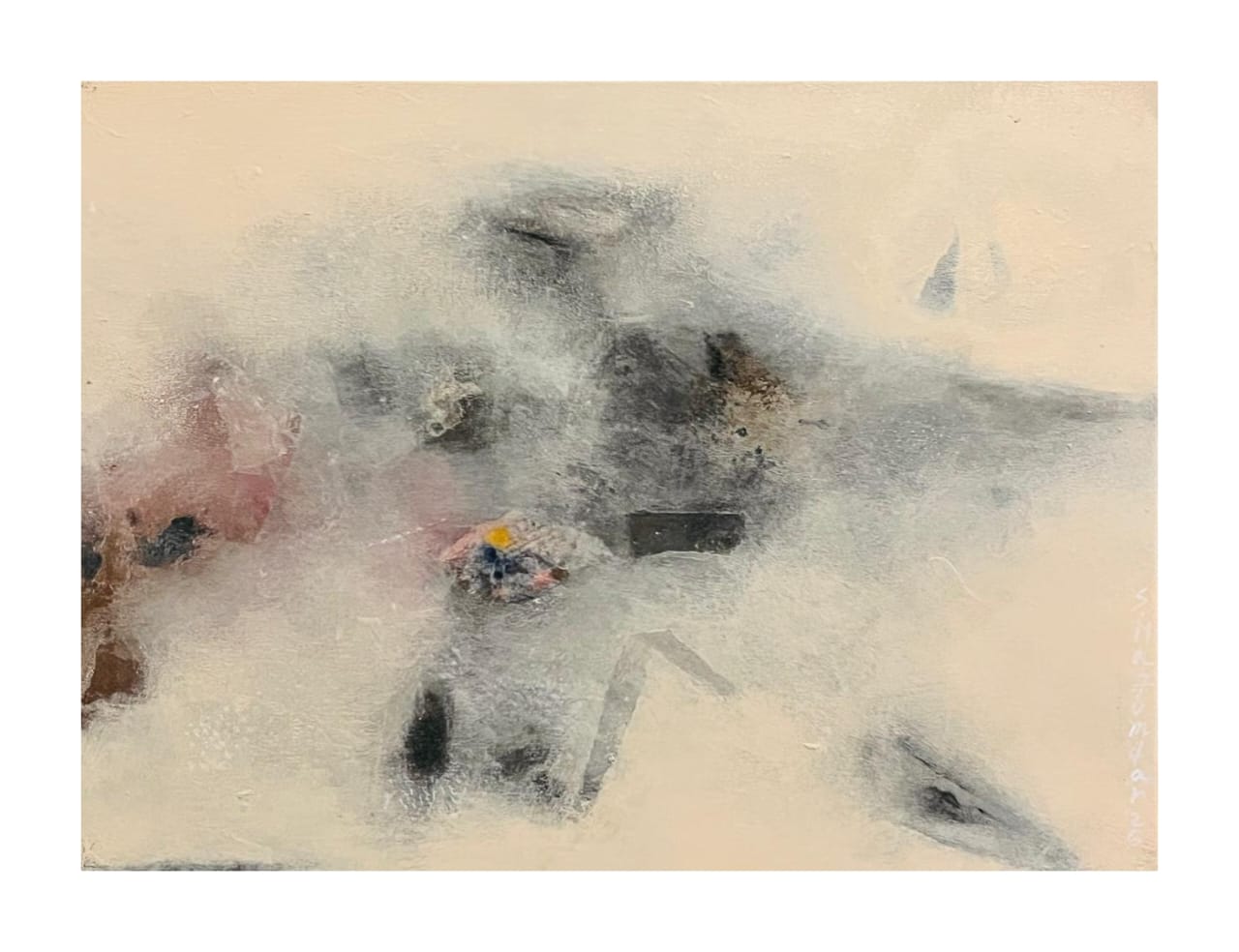
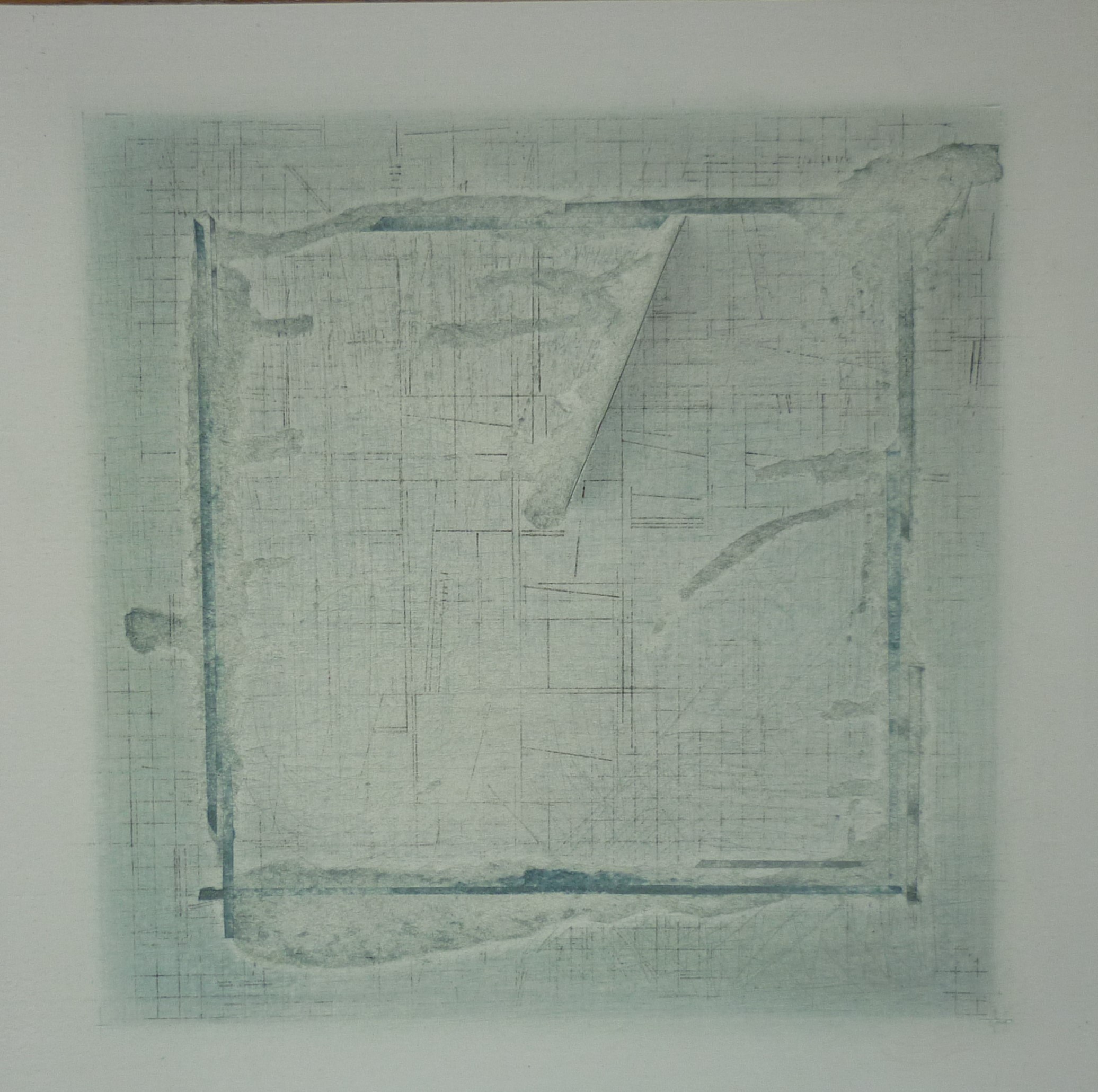
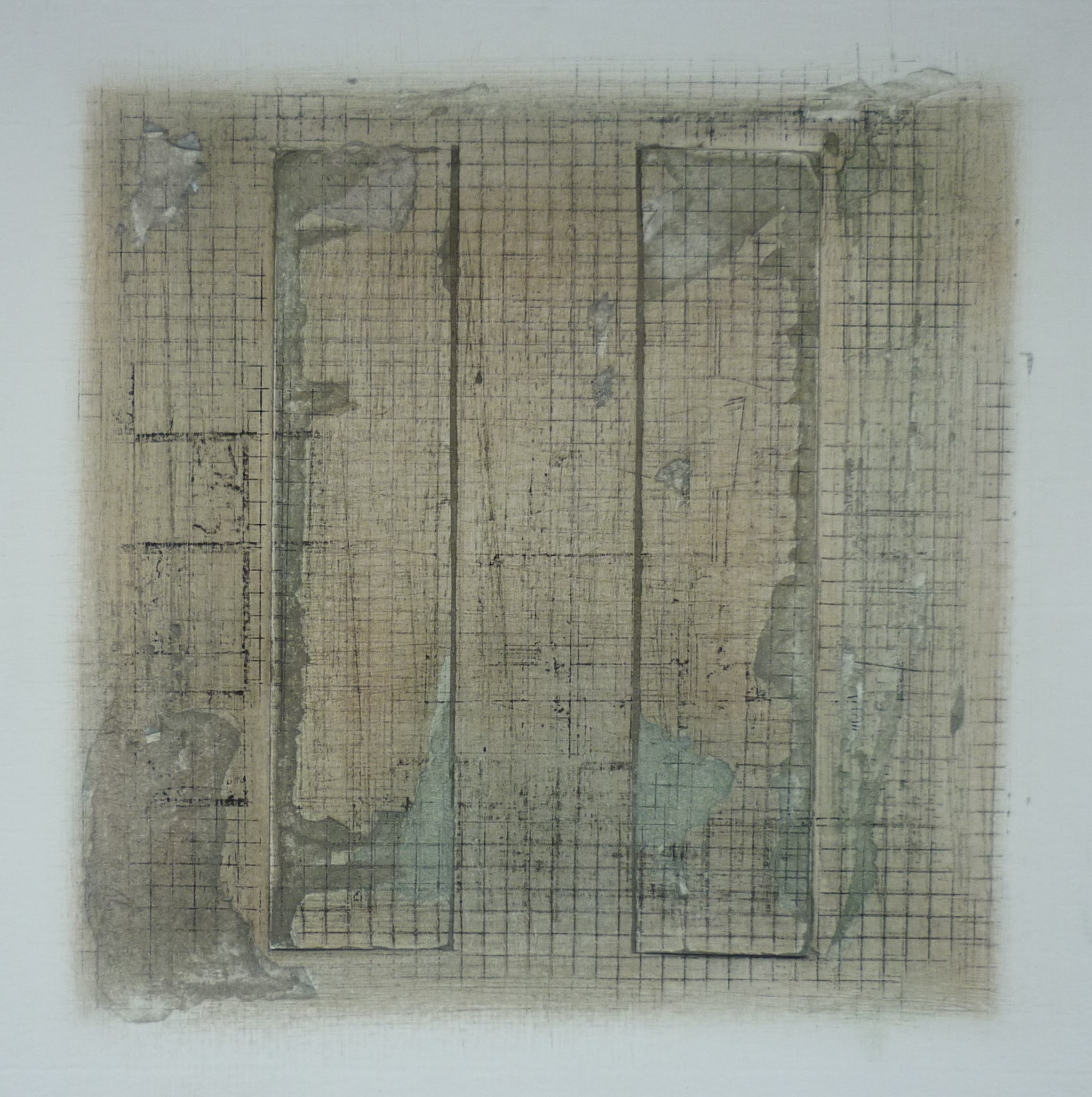
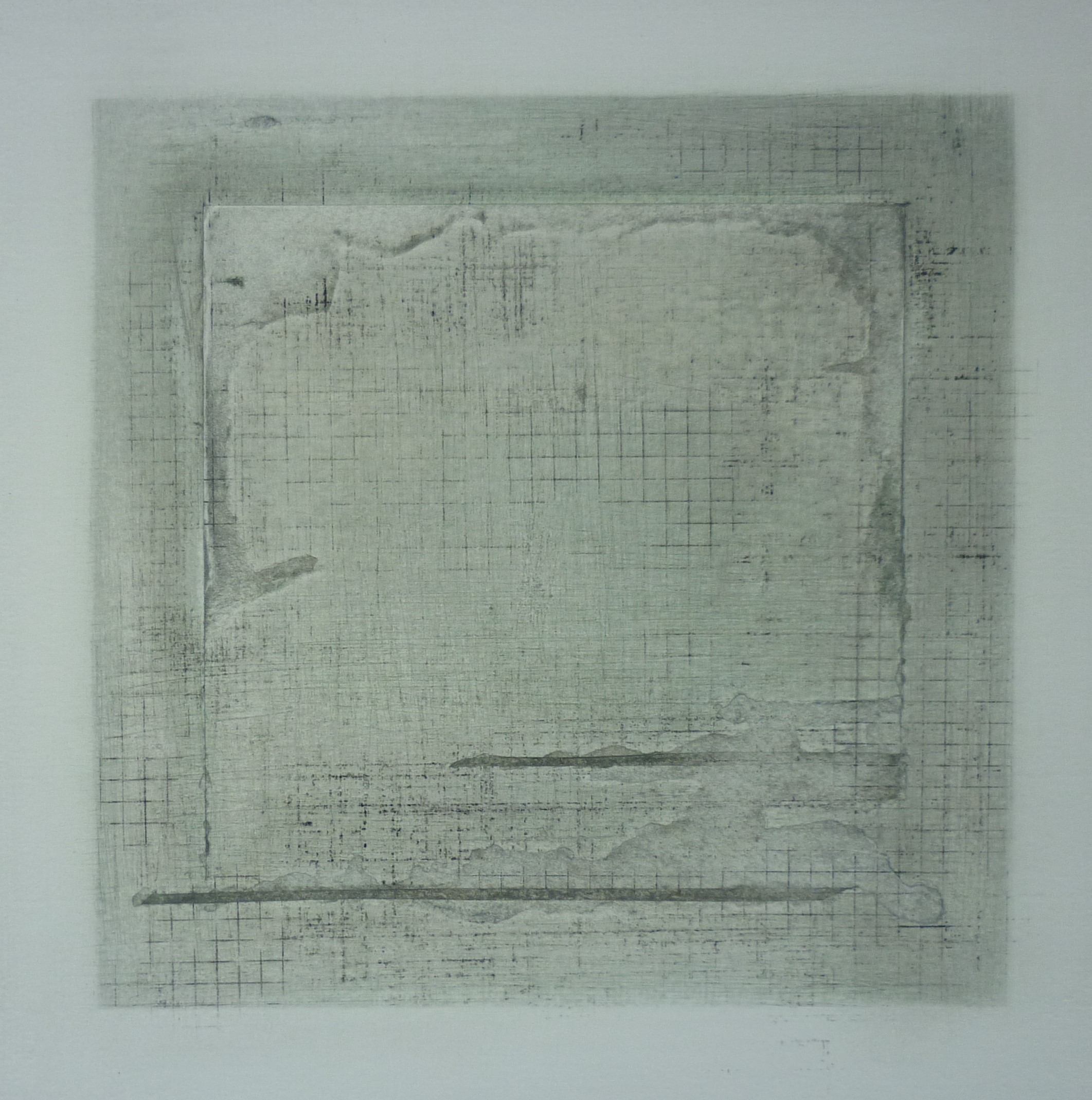
Temporal Materialities brings together practices in which material and process become ways of experiencing time. Surfaces are layered, marked, scraped, constructed, dismantled and rebuilt; gestures are repeated until the act of making itself begins to measure duration.
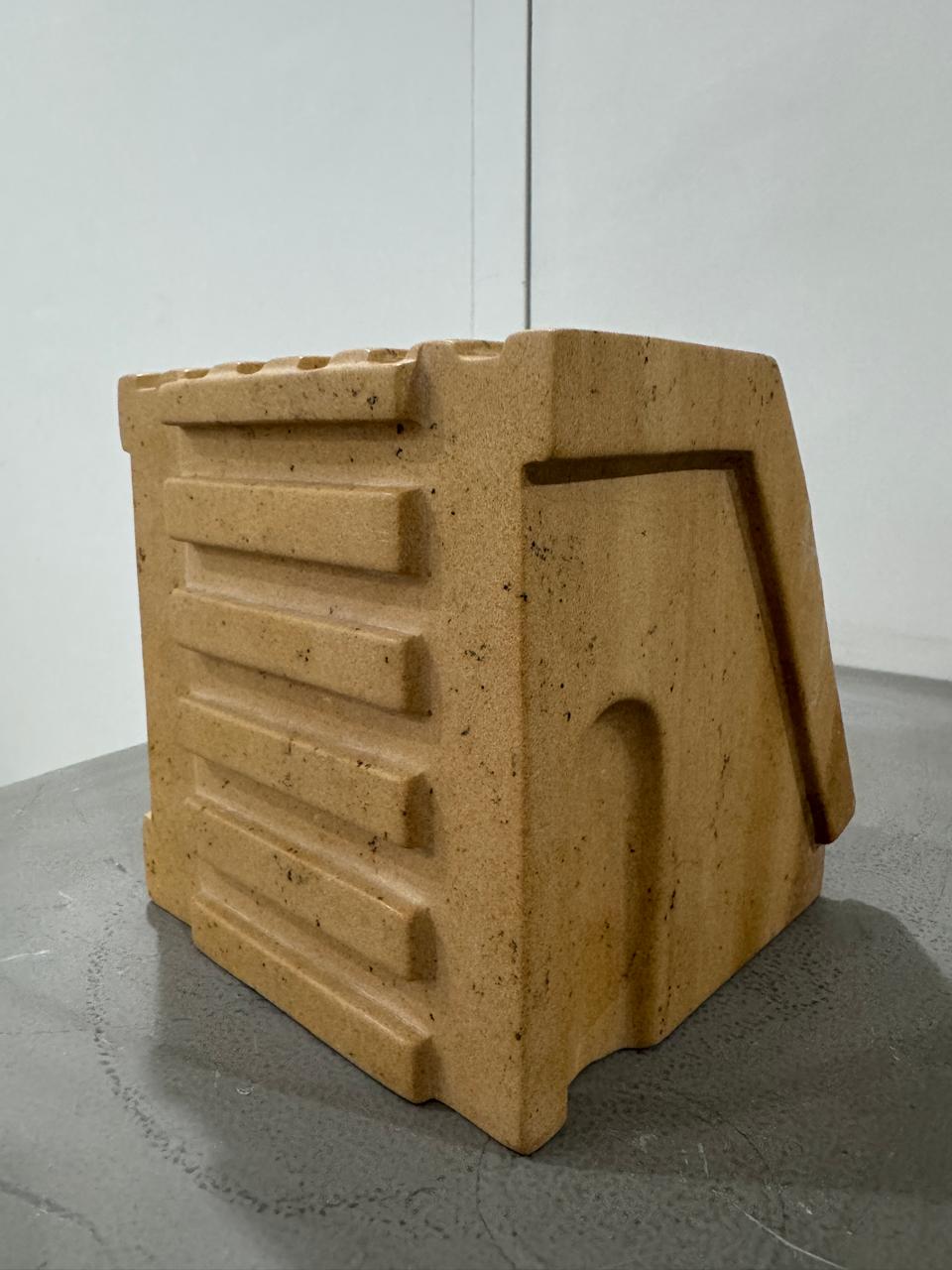
Here, memory is not fixed. Places are demolished and reconstructed, familiar geographies disappear, and fragments remain embedded in new landscapes. Materials too carry their histories: a concealed layer persists beneath another, a mark records an action, while accumulation and erosion continually alter what we see.
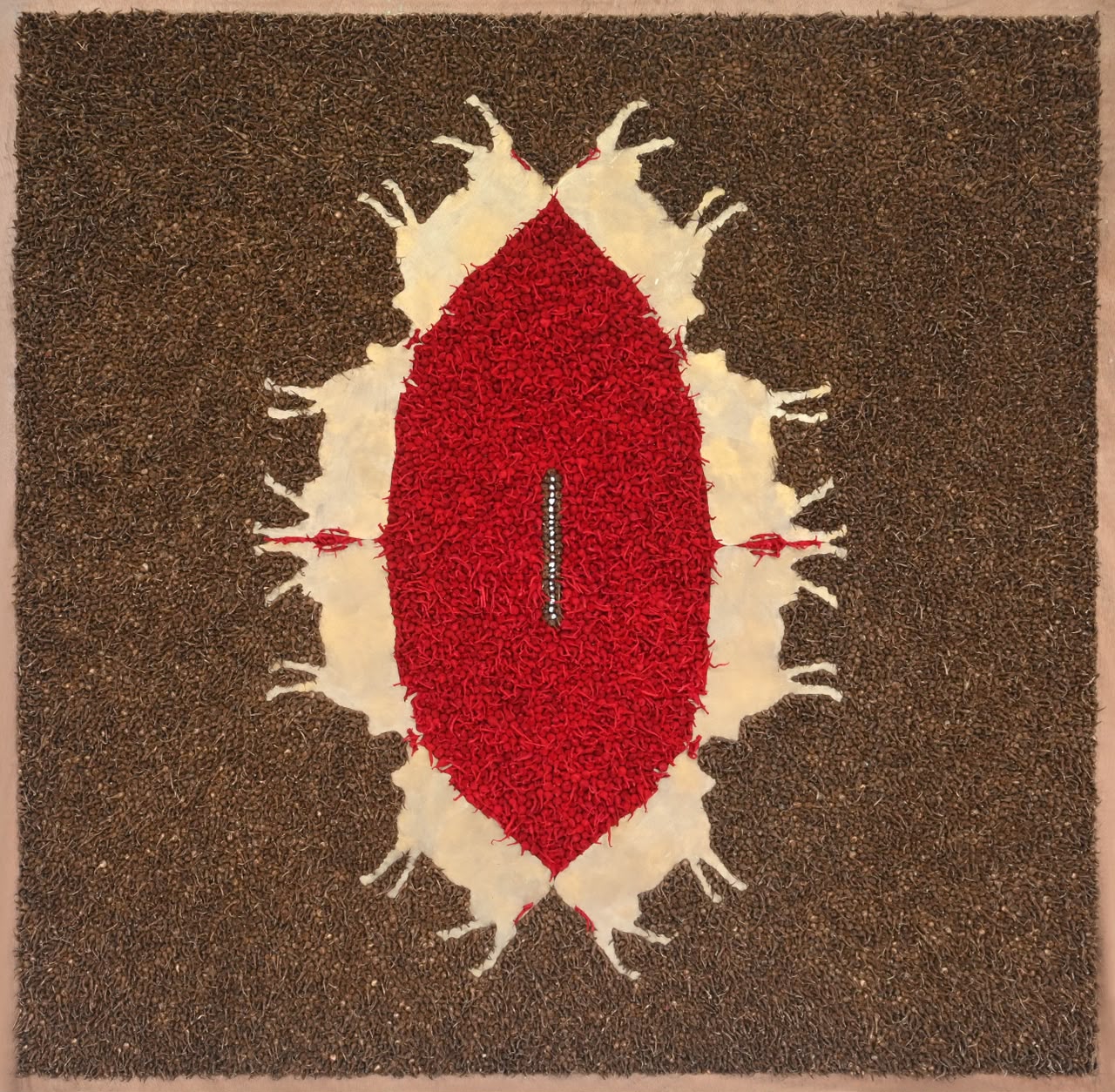
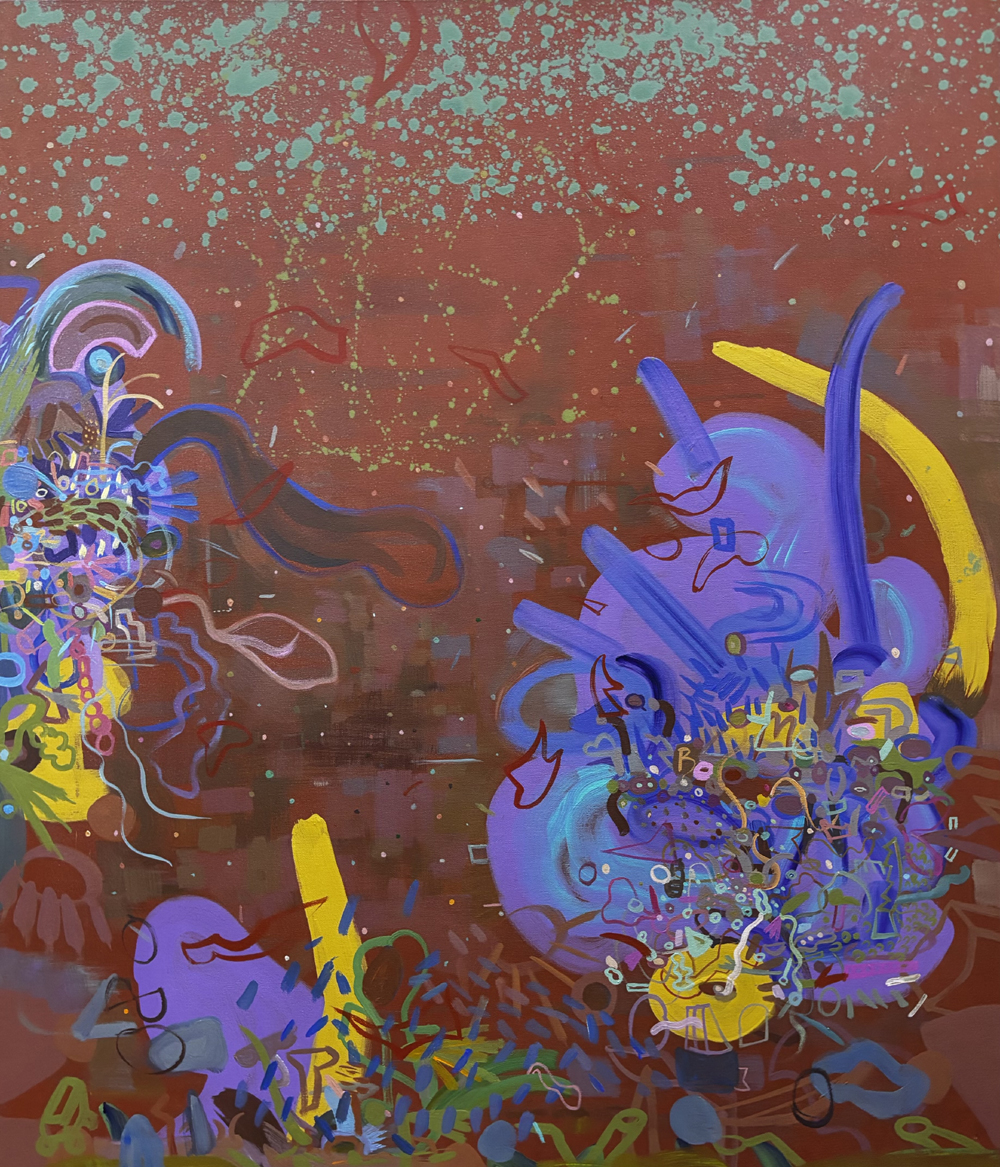
Repetition can be meditative, but it can also speak of labour and the body. Material can carry the weight of ritual, habitation and everyday life. Through the physical act of making, emotions, struggles and concerns become embedded in the material, transforming the surface into an inner landscape, a dialogue between the external world and what is experienced within.
Across these different approaches, material is never passive. It gathers traces of gestures, environments, memories and transformations. The artwork becomes less a fixed object than a surface through which different moments continue to emerge, disappear and return.
Temporal Materialities asks us to consider whether matter can retain something of the time that has passed through it, and whether making can give that time a visible form.