
The World of Gopal Ghose
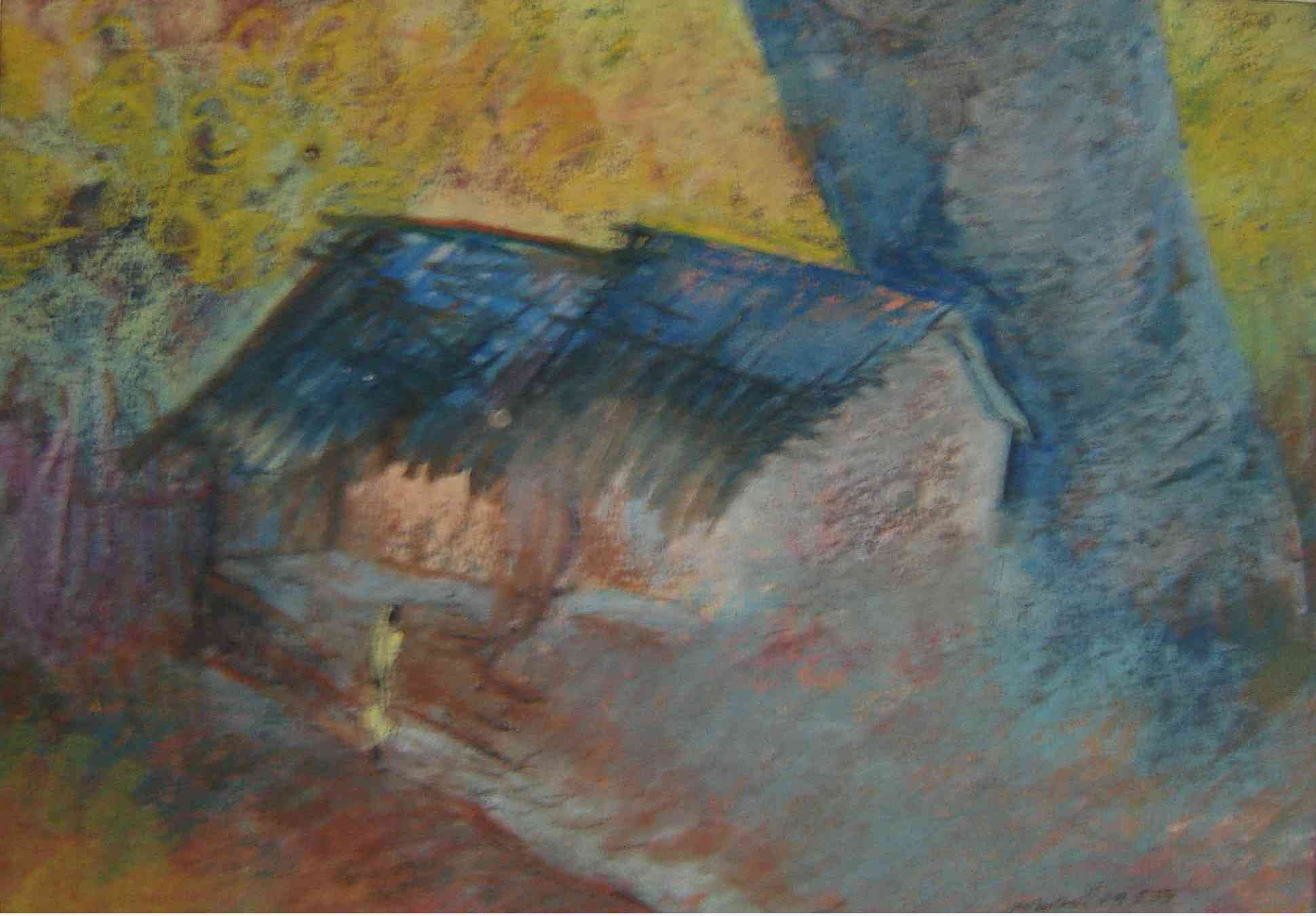
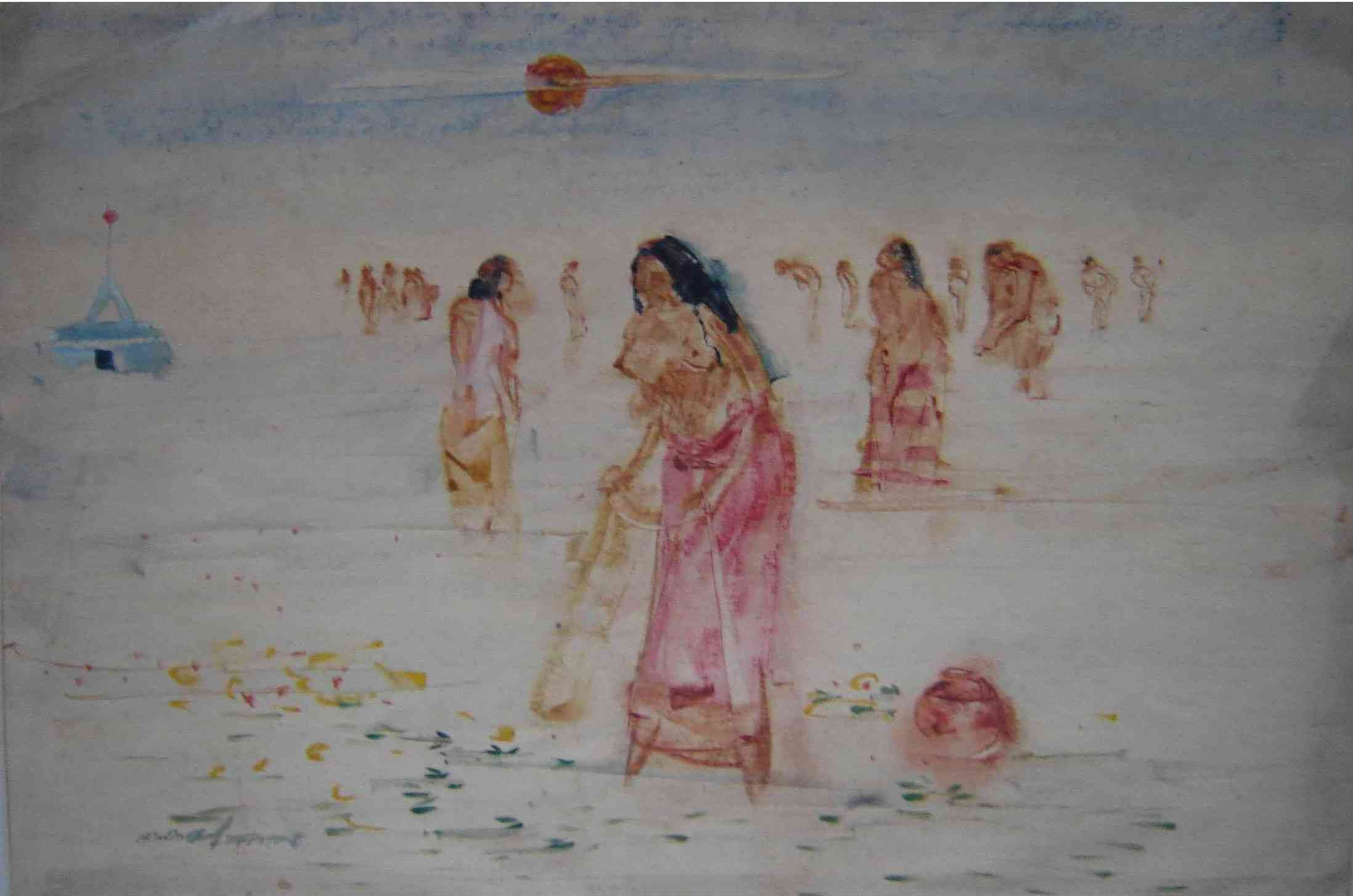
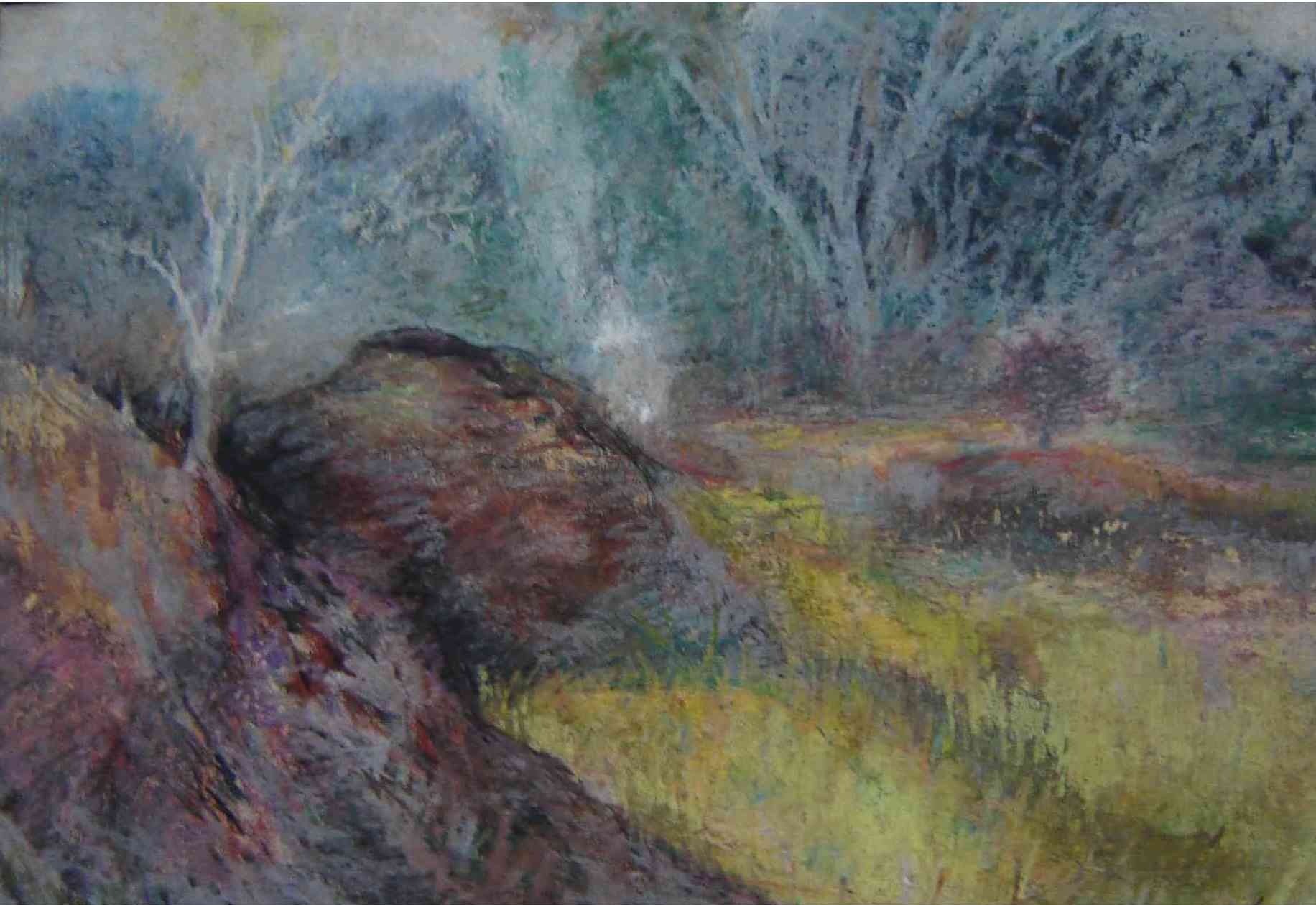
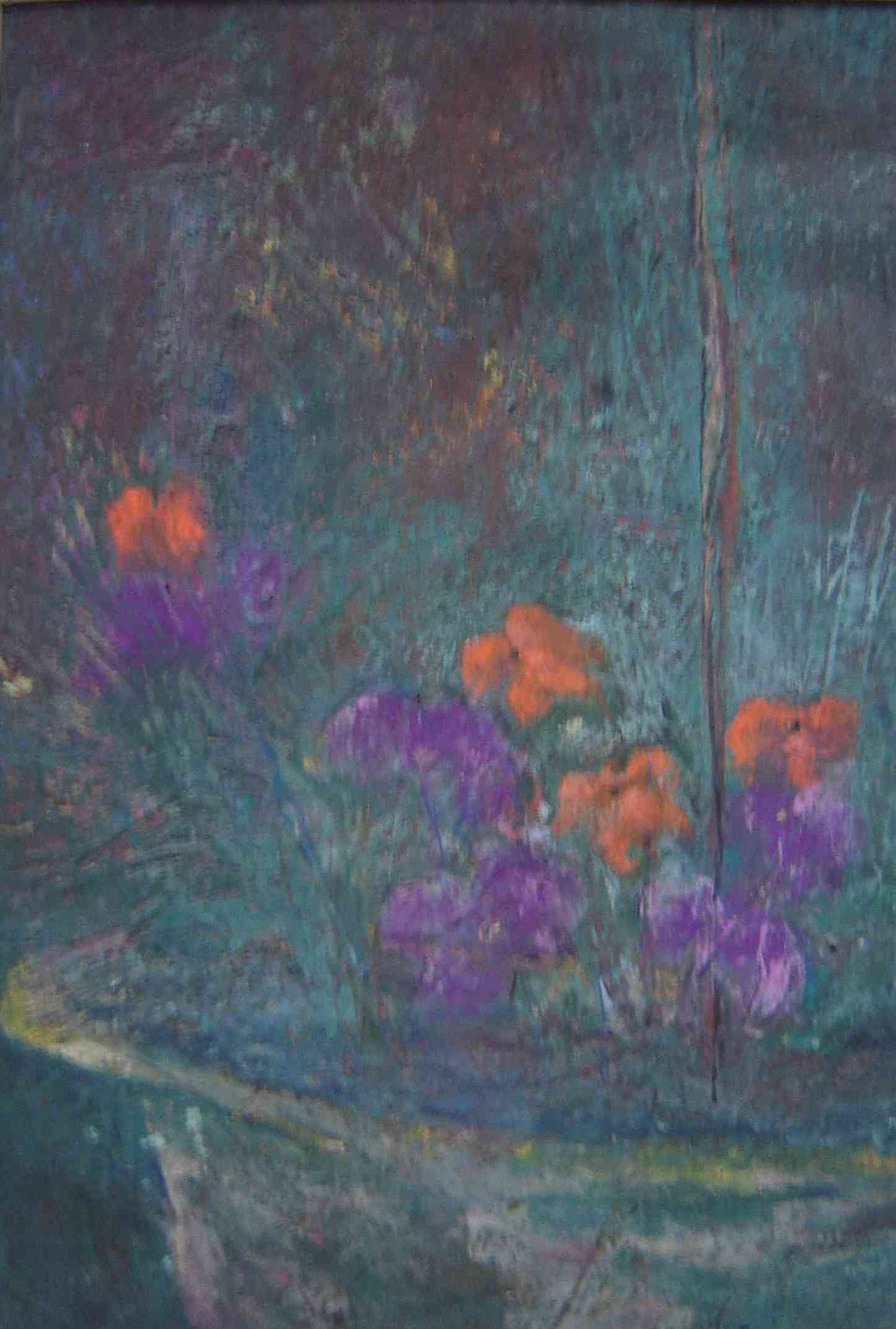
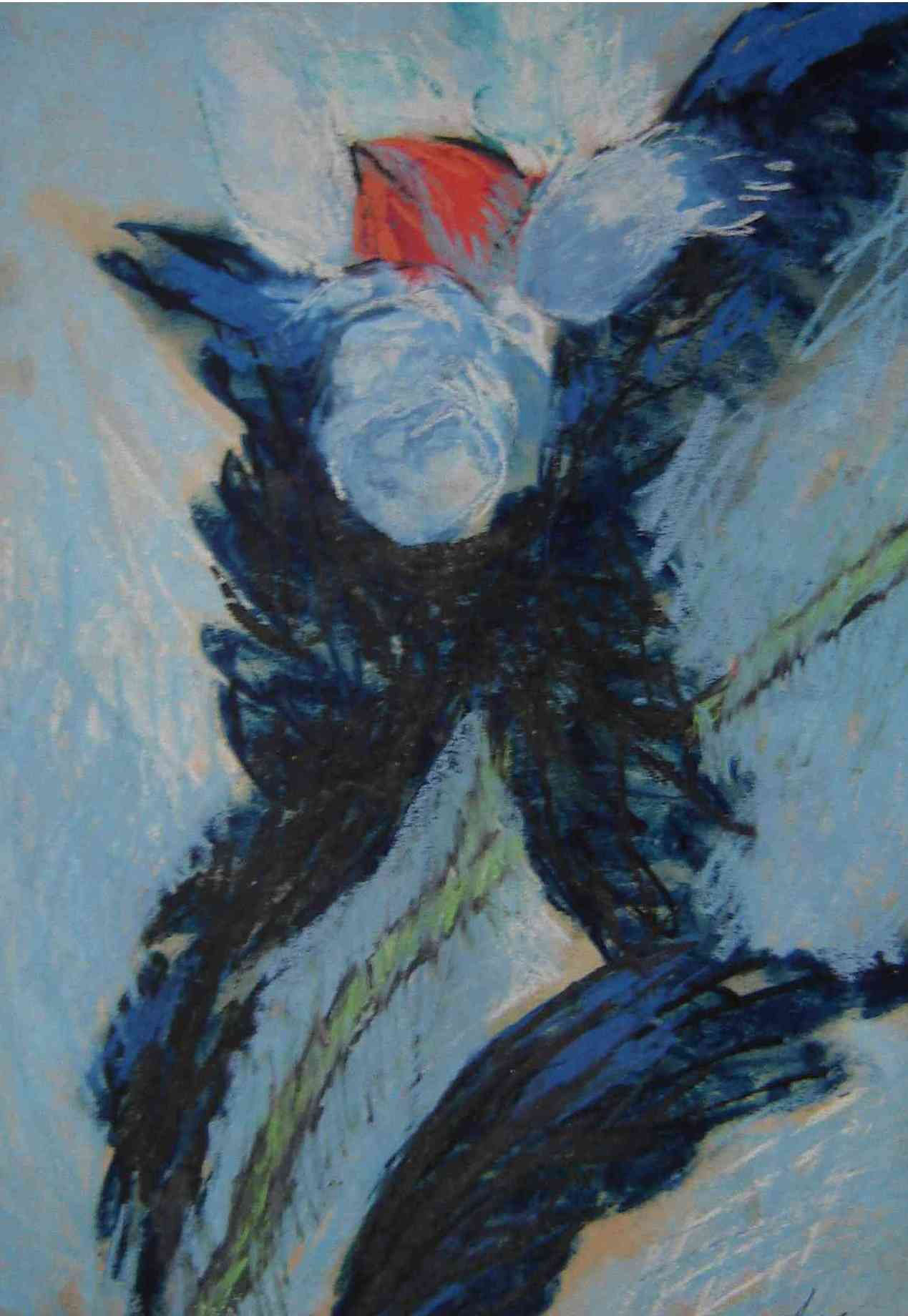
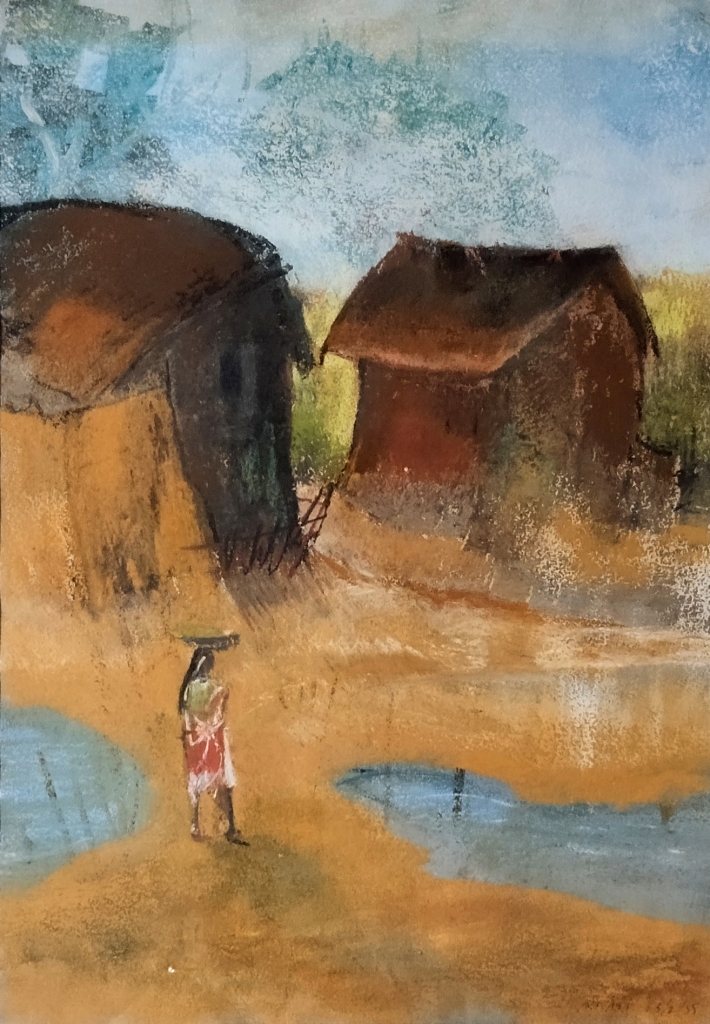
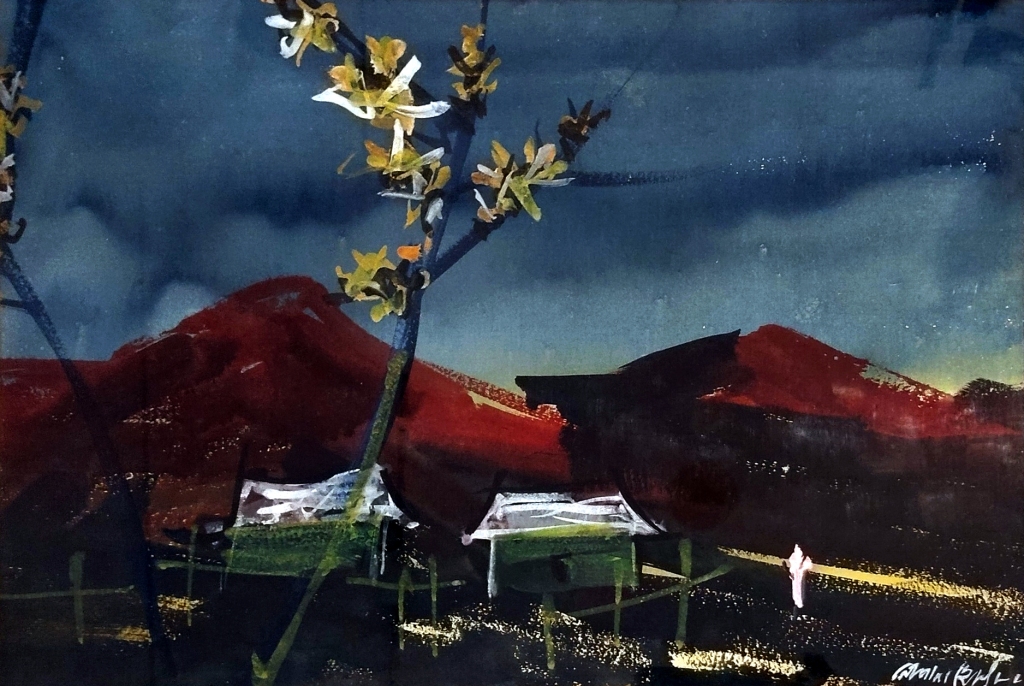
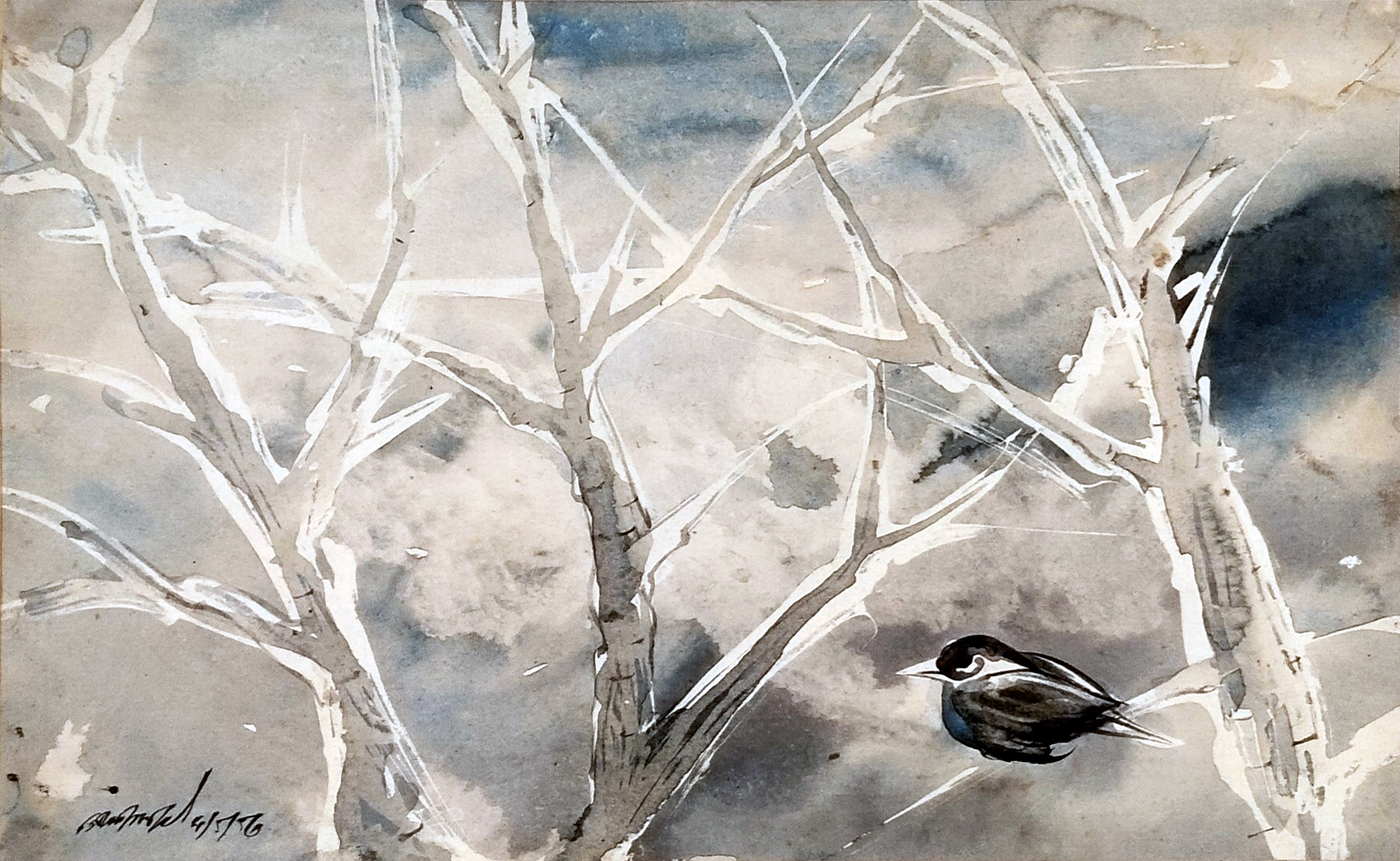
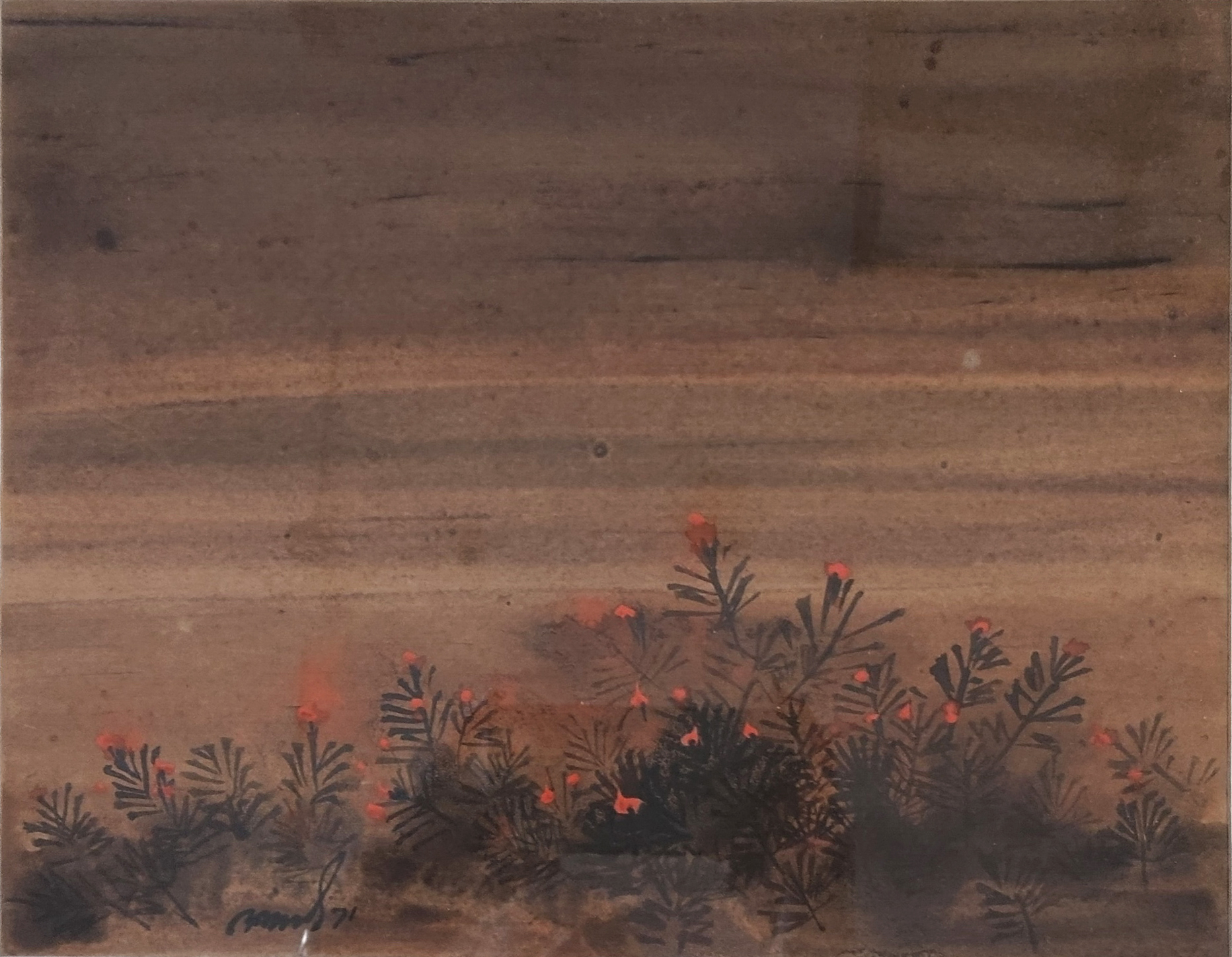
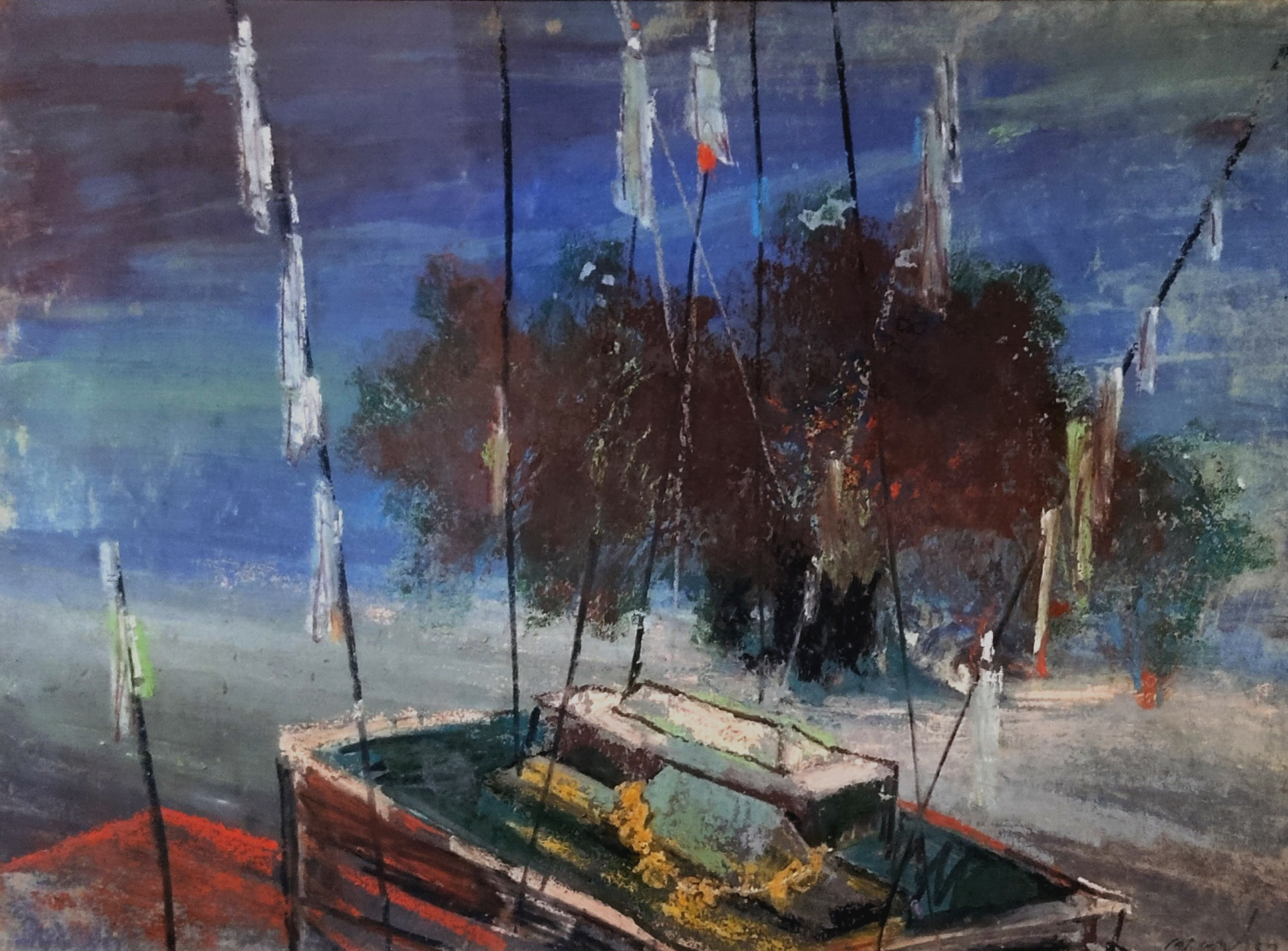
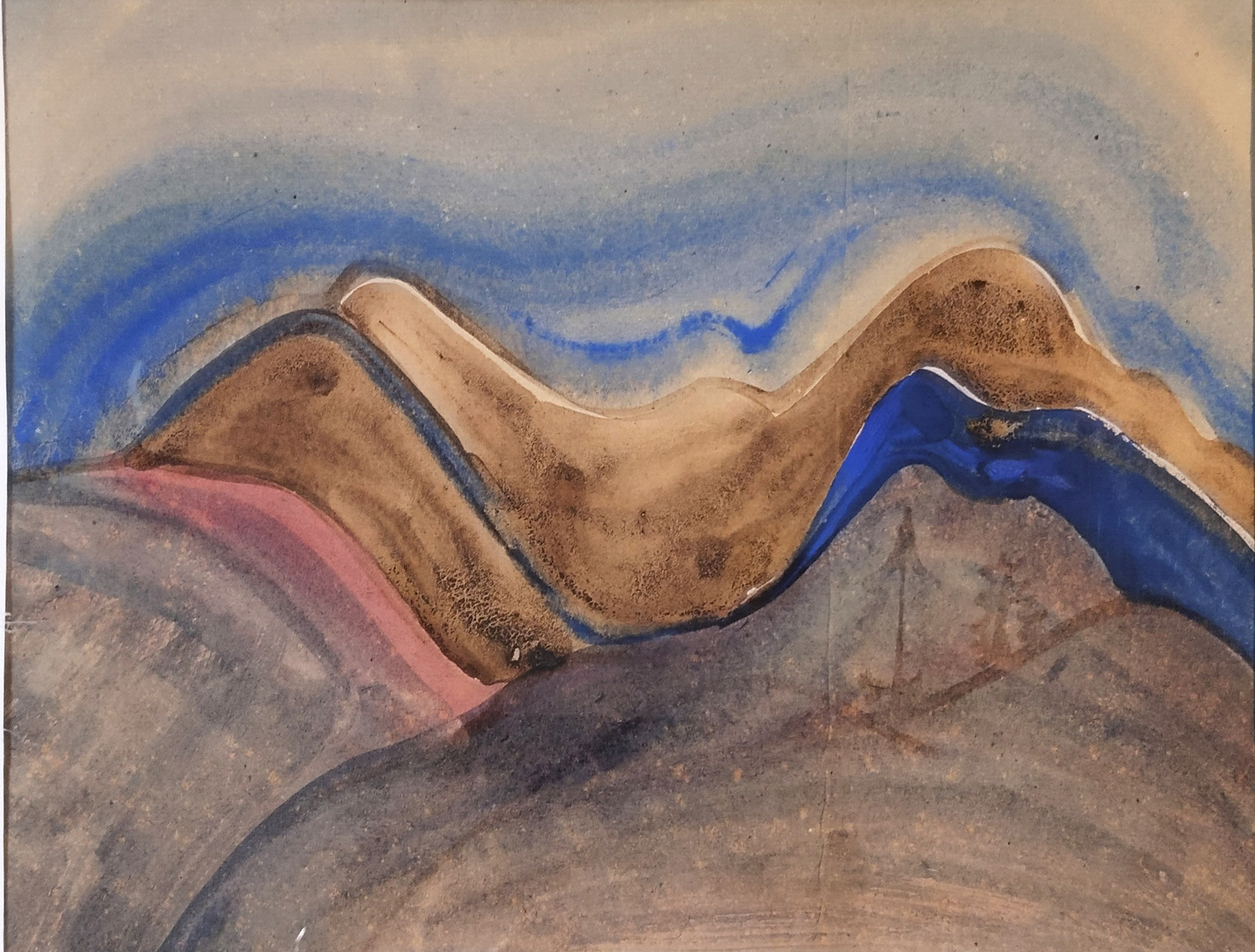
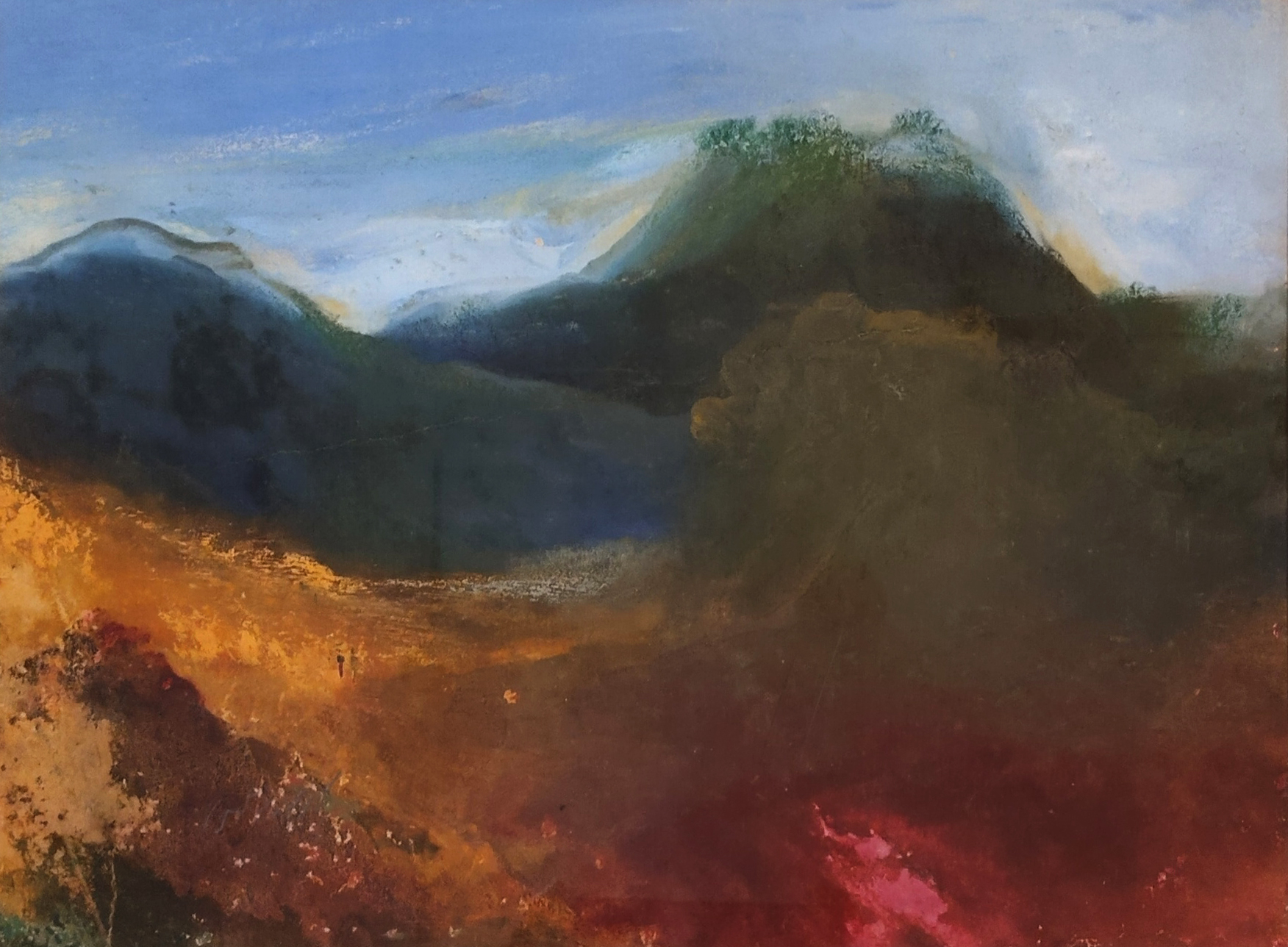
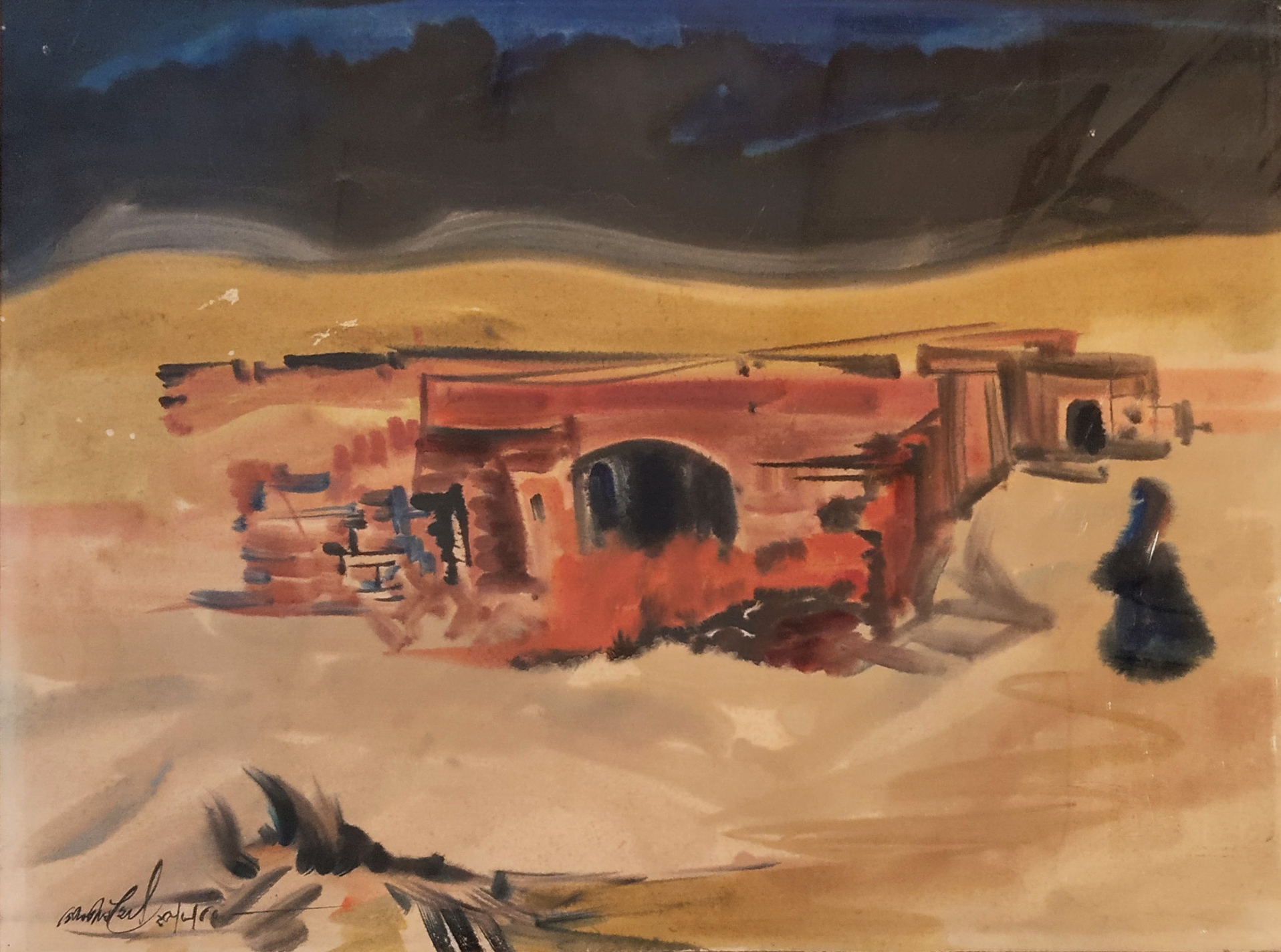
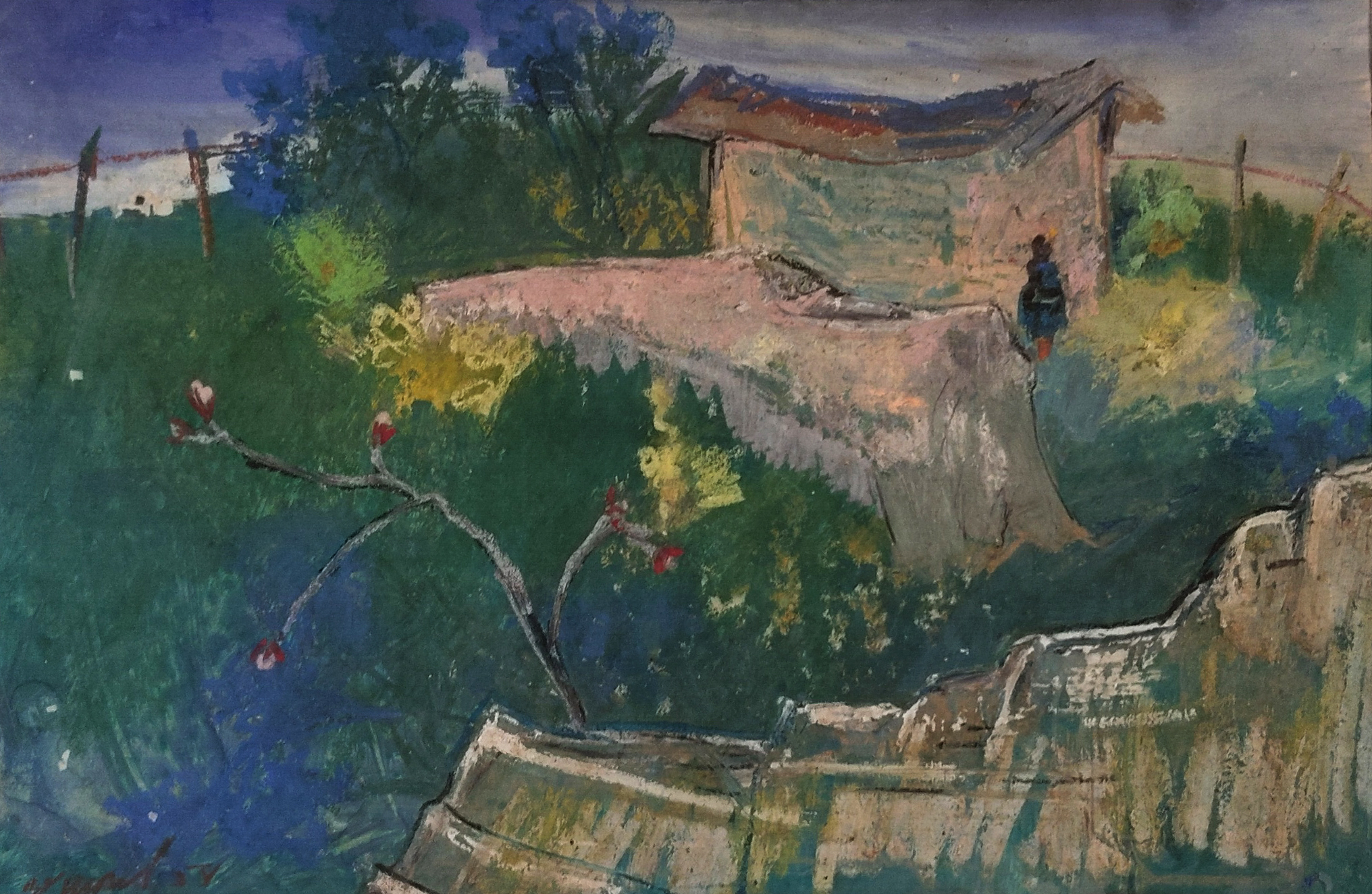
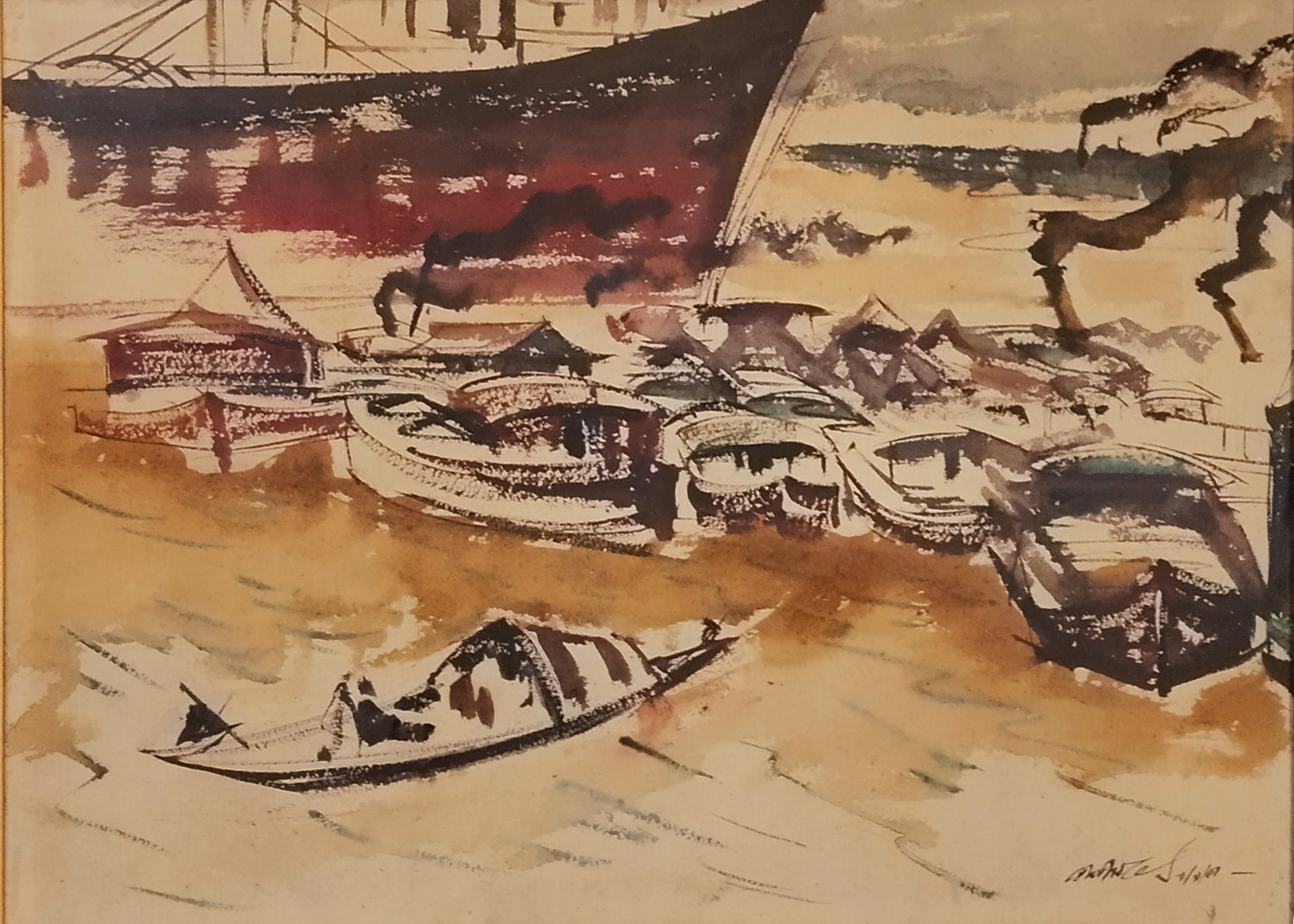
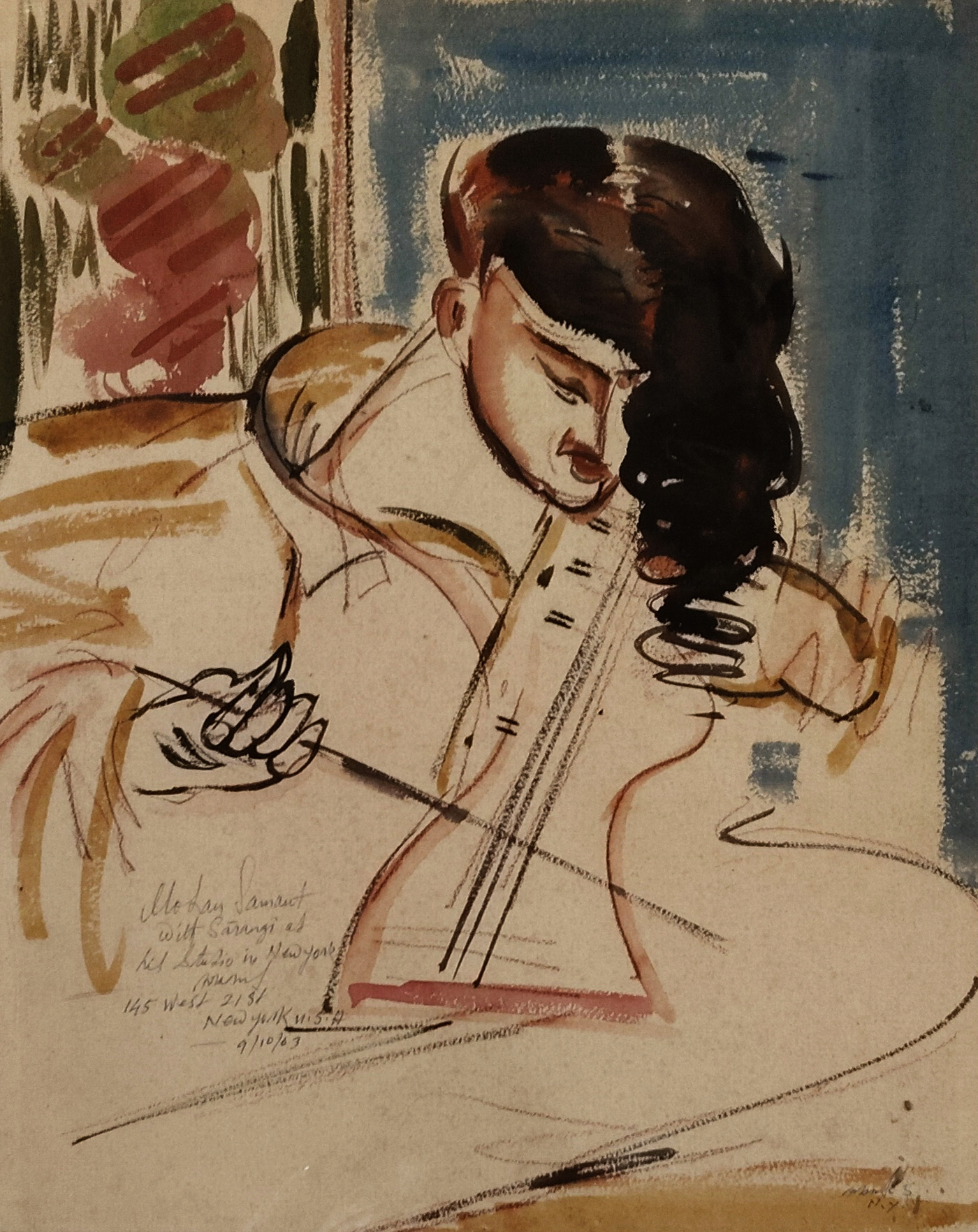
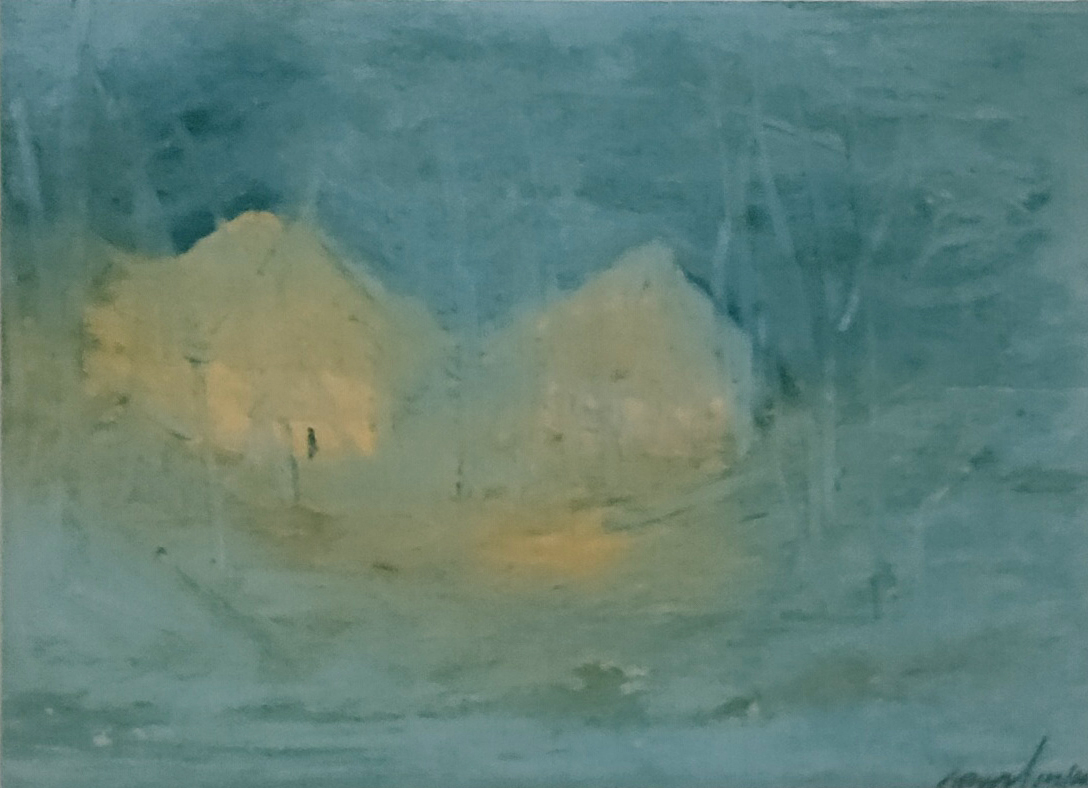
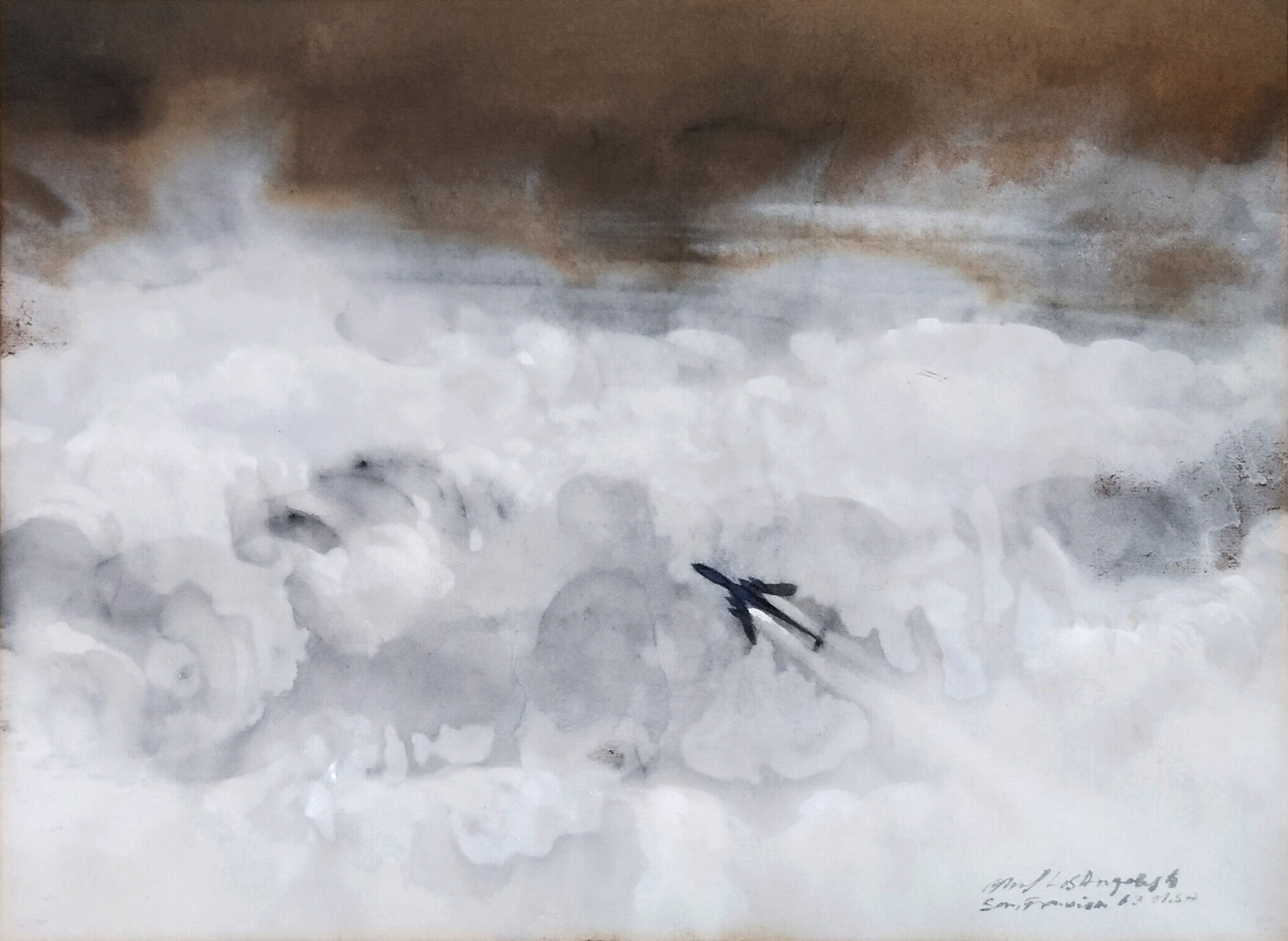
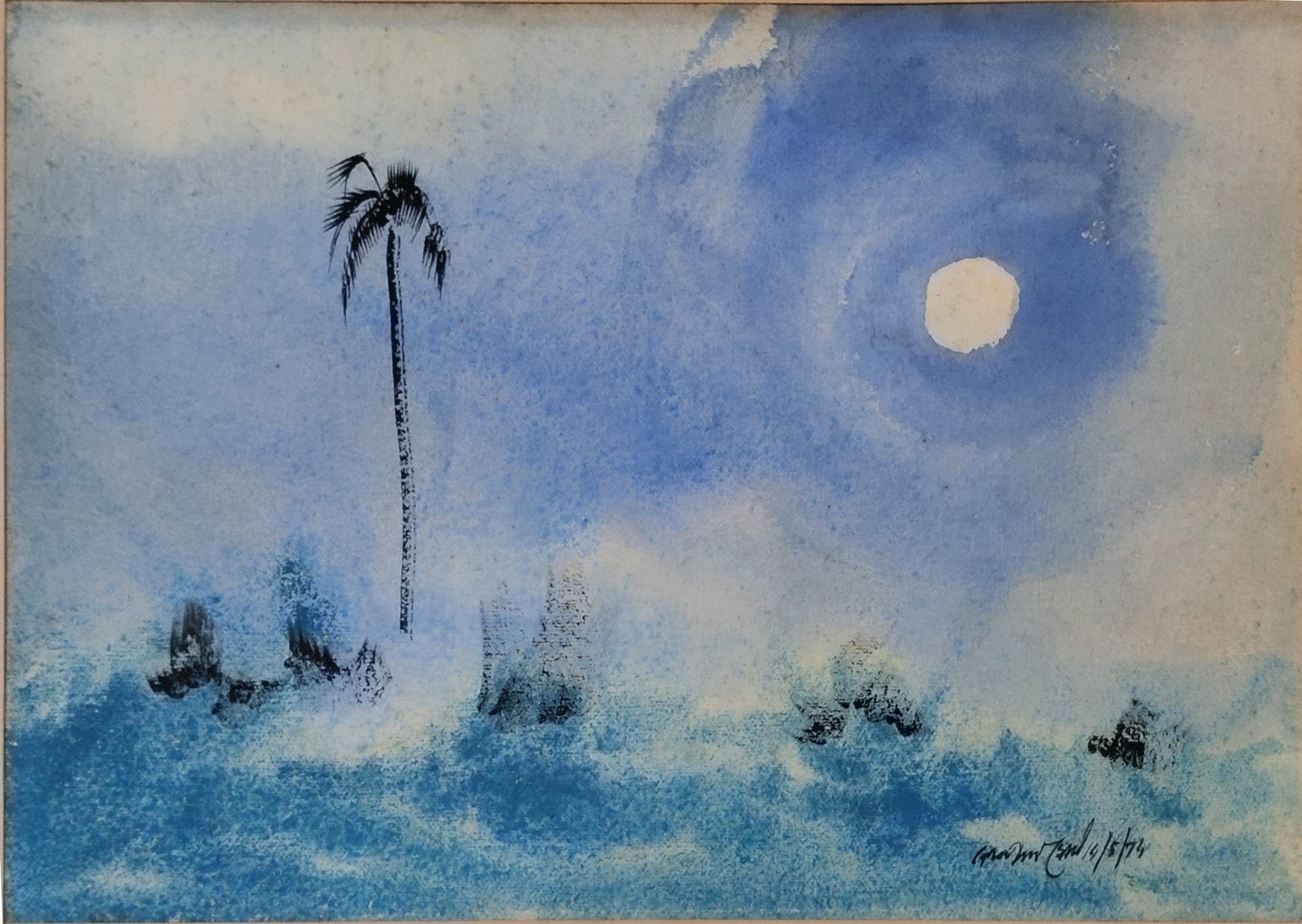
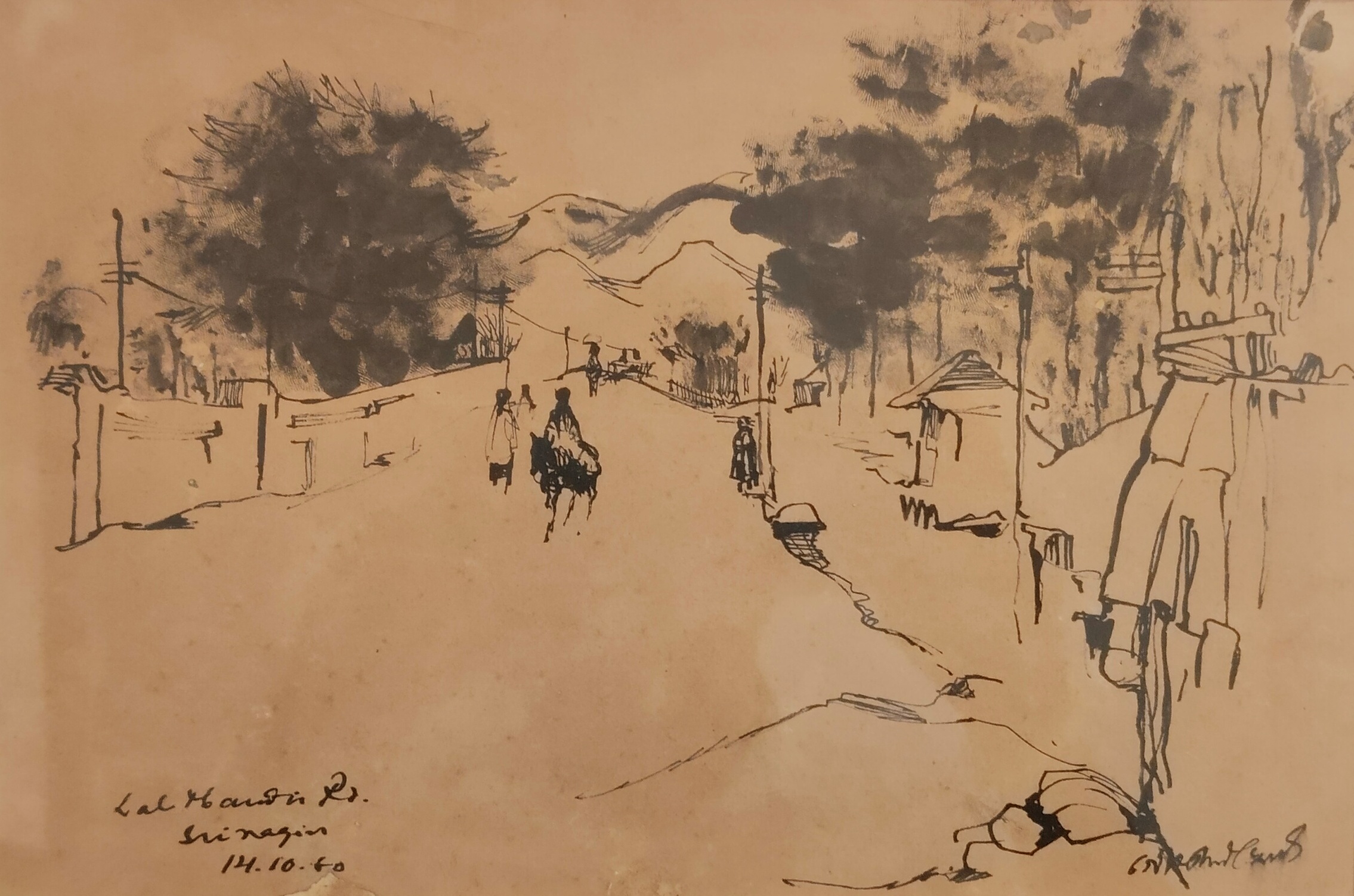
Celebrated primarily for his landscapes, Gopal Ghose’s practice extended far beyond a single genre. His paintings possess an extraordinary sense of movement: trees bend before unseen winds, clouds dissolve into transparent veils of colour. Light itself becomes a dynamic pictorial force. Atmospheric emptiness in Ghose’s work seamlessly connects random objects in a space, creating a unique psychic formation. He achieved this distinct sense of atmosphere through the careful orchestration of means such as transparent washes, fragmented colour, and sweeping brushstrokes. Nature is depicted not as a static scene but an entity that is constantly in motion, and thus, alive, inviting the observer to breathe in and immerse into it.
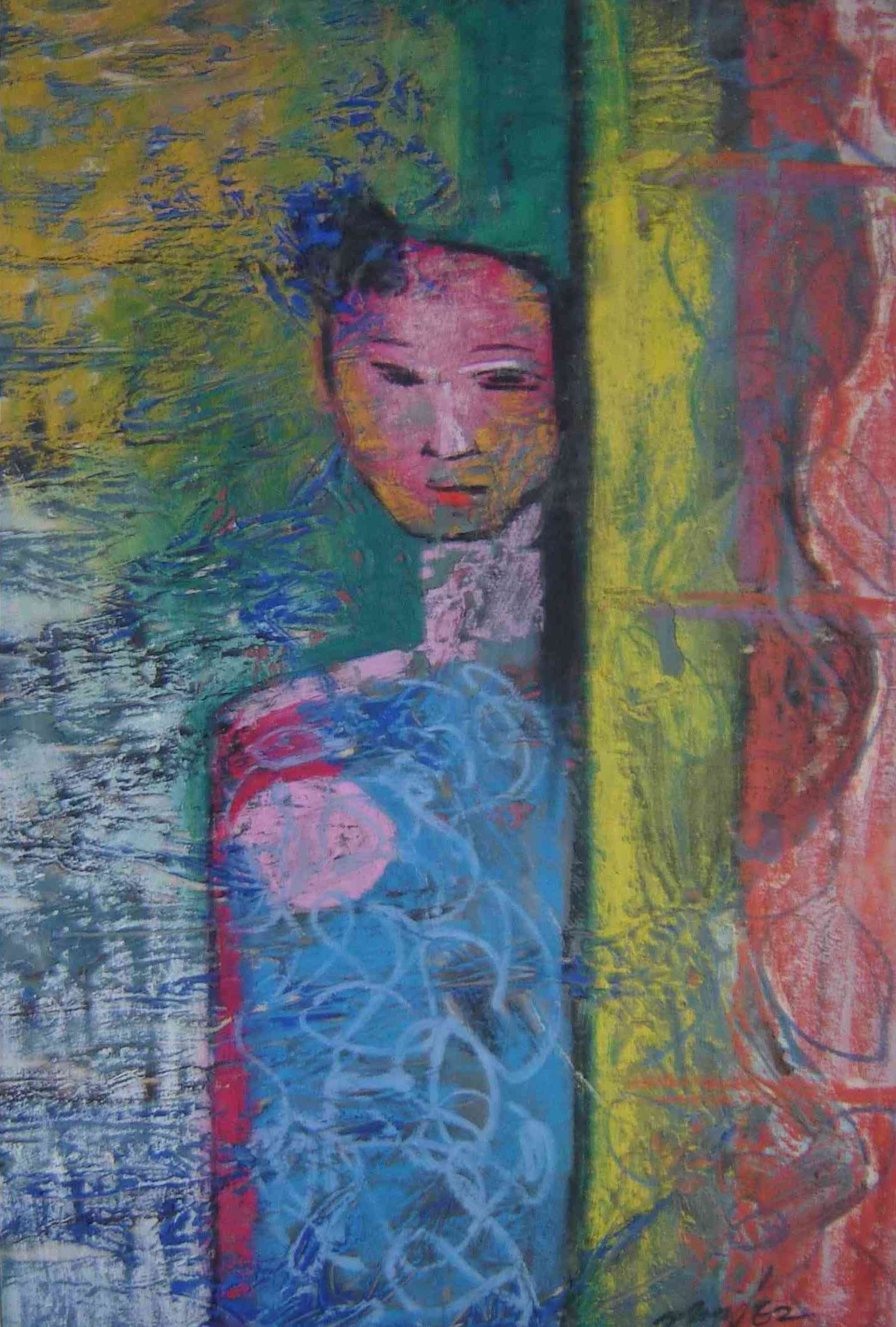
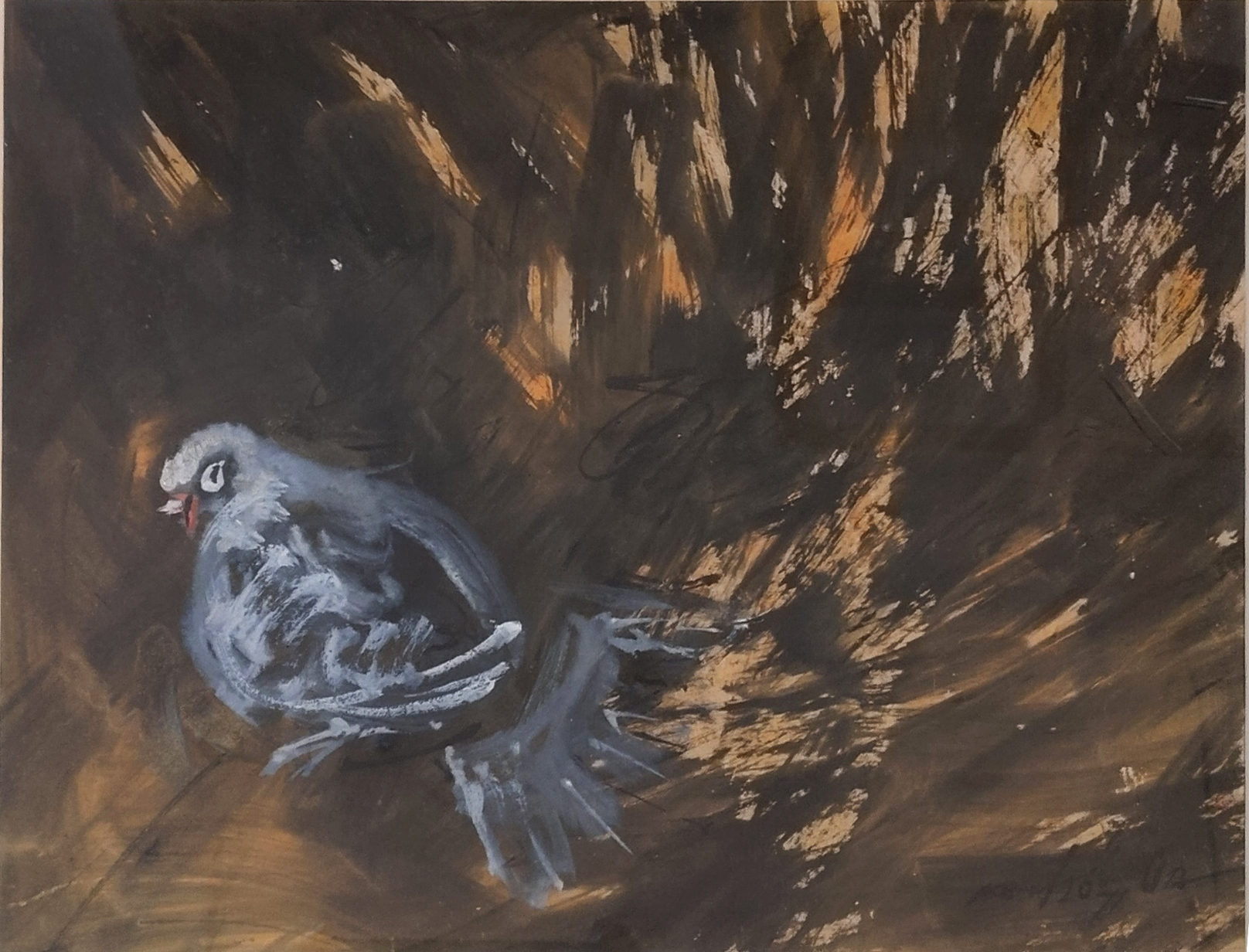
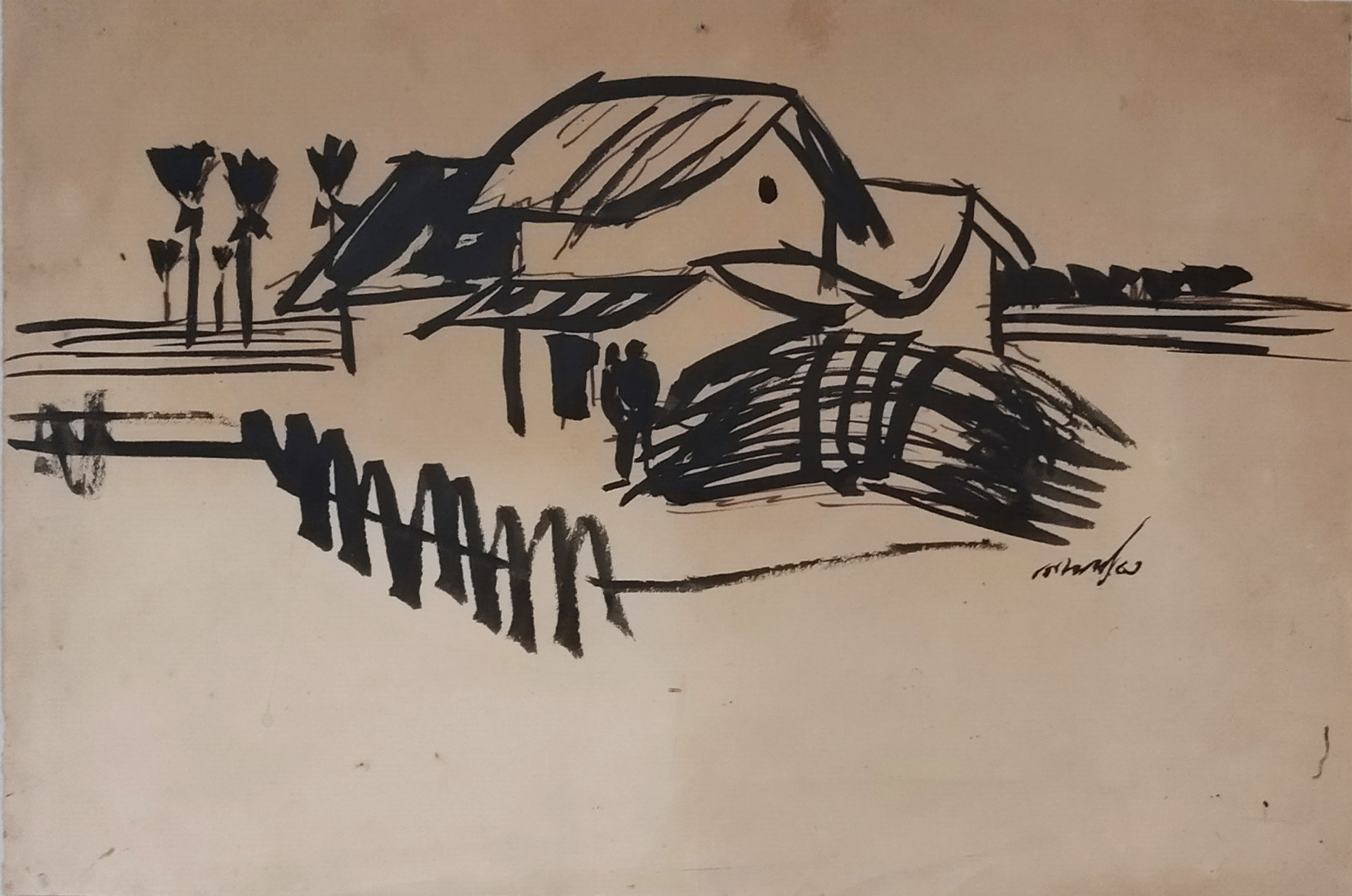
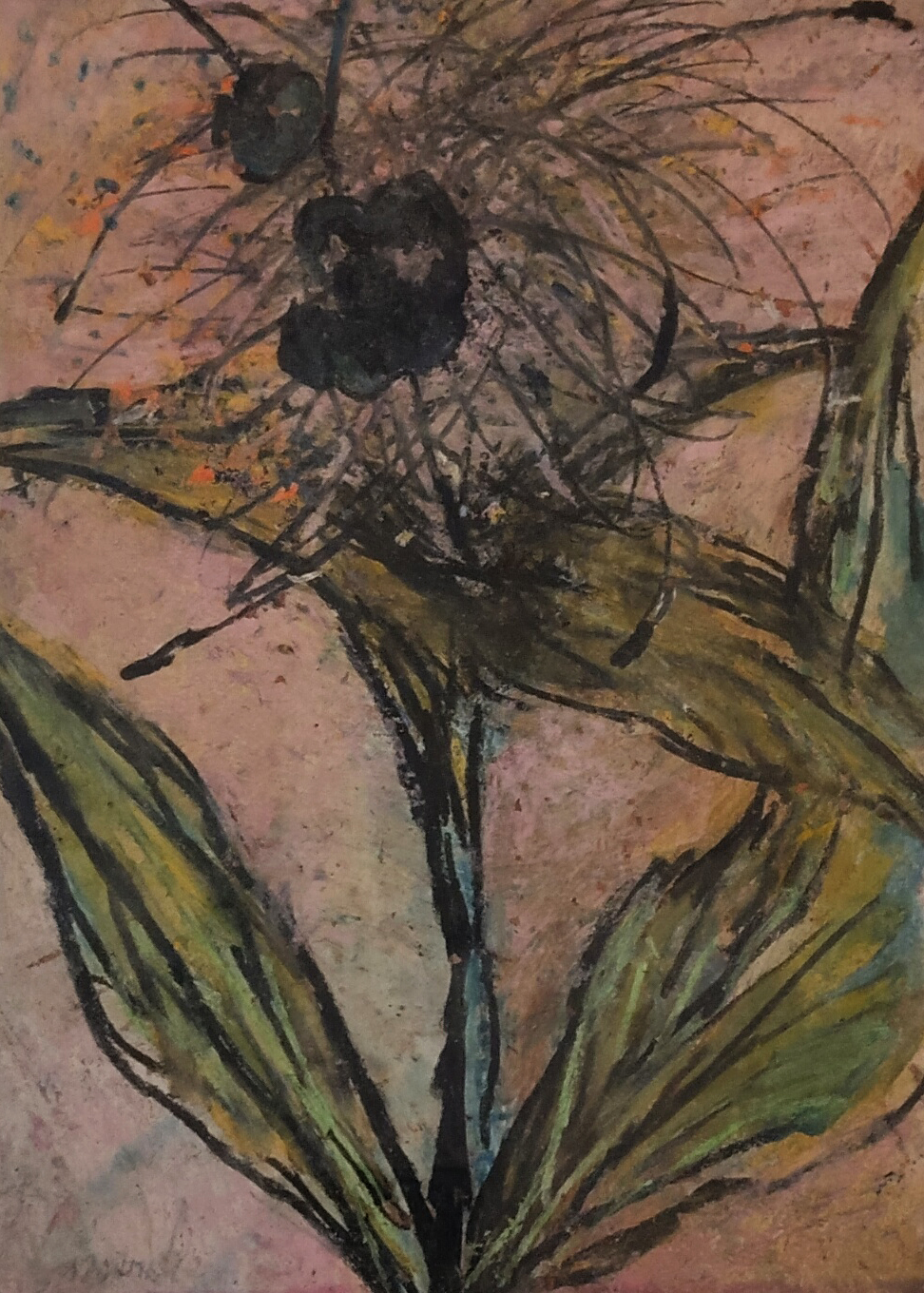
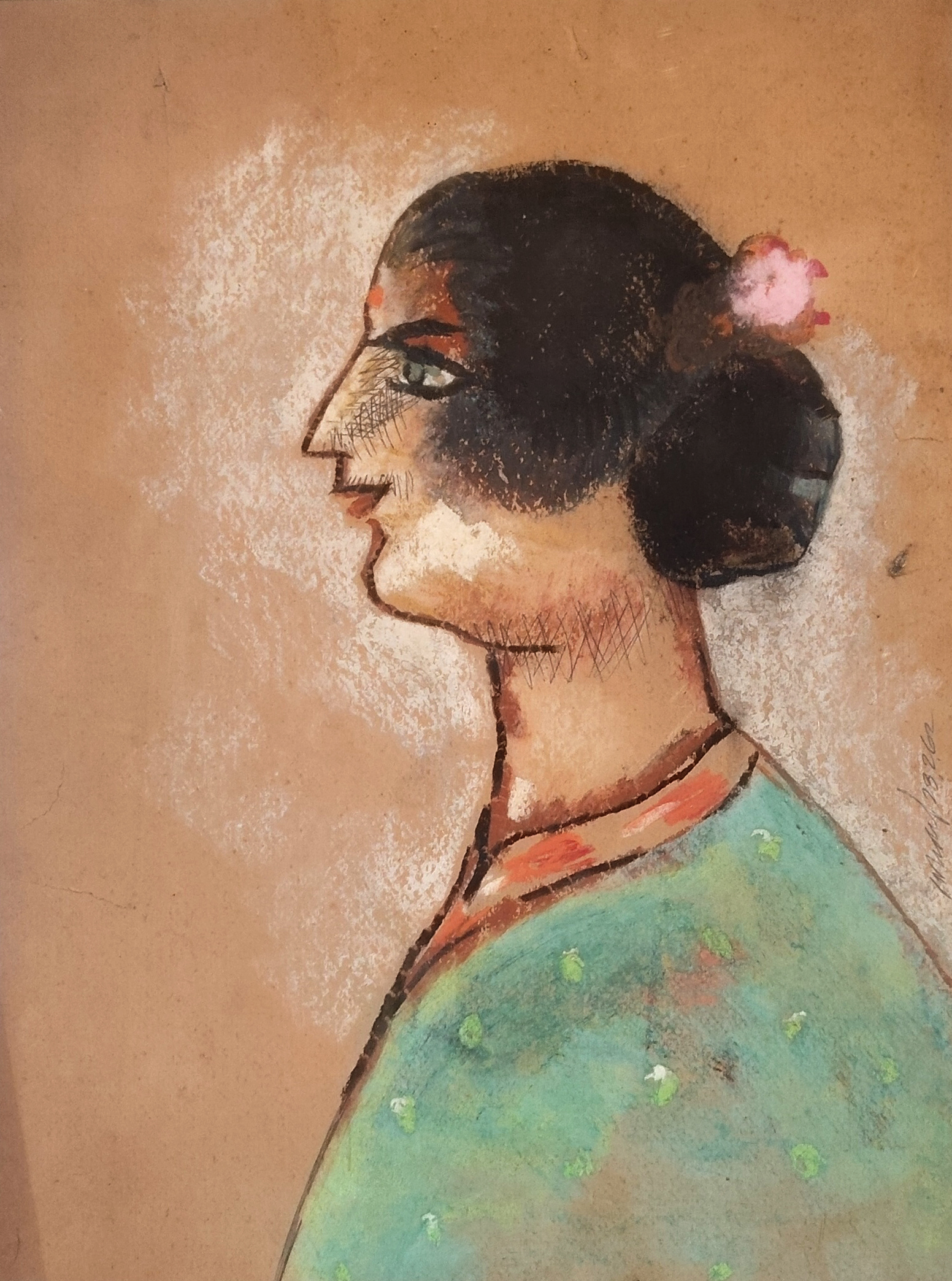
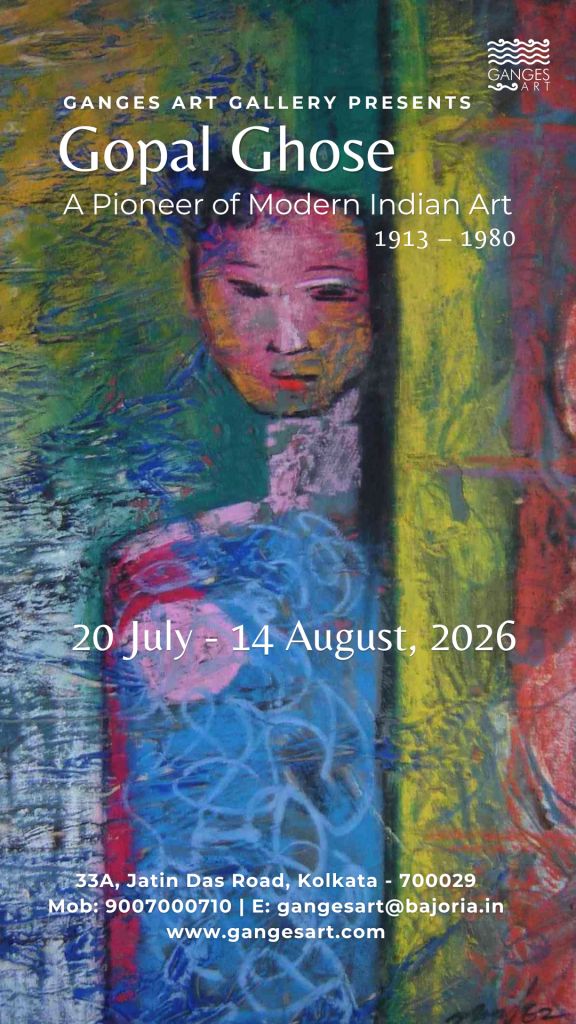
Gopal Ghose (1913-1980) was among the most noteworthy of modernist painters from twentieth-century India whose artistic legacy consistently resisted fixed categorisation by traversing a multitude of subject matters that span from landscapes, people and socially responsive works that were unified by an unwavering commitment to experimentation and expression. As he worked across watercolour, gouache, ink, tempera, pastel and graphite, he would develop a visual language which was distinctly his own, using vibrant colours, sweeping brushwork and calligraphic lines that attempted to capture the vitality and everchanging rhythms of nature.
Born in Calcutta in 1913, Ghose trained at the Maharaja School of Arts in Jaipur before studying under Devi Prasad Roy Choudhury at the Government College of Arts and Crafts in Madras. A passionate traveller who described himself as an “India Wanderer,” he journeyed extensively across the country, sketching directly from nature and cultivating a lifelong engagement with the Indian landscape. A founding member of the Calcutta Group of 1943, Ghose belonged to a generation committed to reshaping Indian art in the midst of turbulent political and social climate, plagued with famine, communal violence and fight for independence. The Group sought to move beyond established academic conventions by embracing the formal innovations of international modernism to explore subject matters that were predominantly based on the Indian experience.
Bringing together his works, this exhibition offers a rare opportunity to encounter the breadth of Gopal Ghose’s artistic achievement. Seen together, these works reveal an artist whose restless experimentation, technical mastery and curiosity shape the story of modern Indian art, reaffirming his place as one of its most original and influential voices.
— Aratrika Roy